Trees and NYC’s Million Trees Initiative: How Your Property Fits Into the City’s Green Future
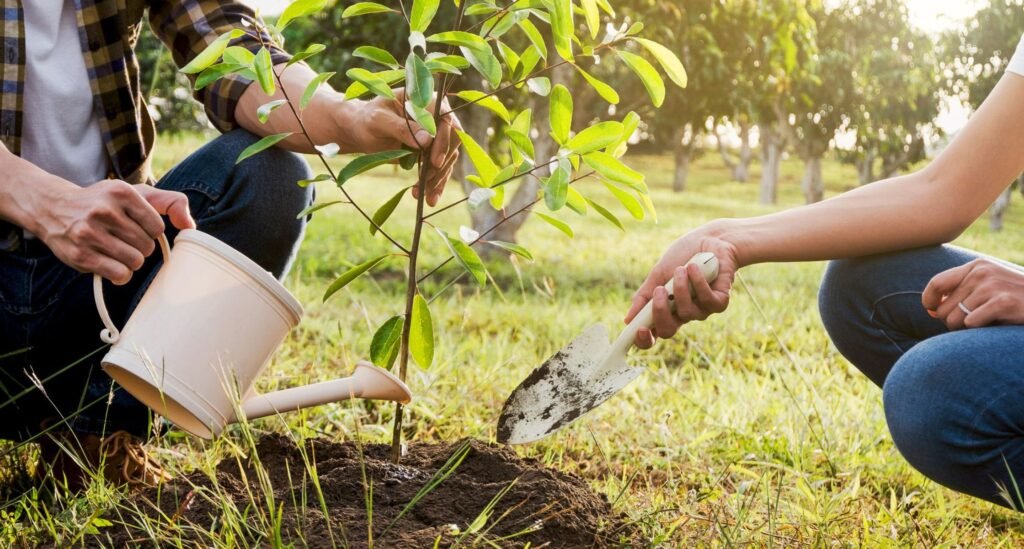
Did you realize that (in summer) some neighbourhoods in NYC are, on average, 7-10F hotter than others, simply because they do not have trees? This is not a theory; it is a factually documented urban heating issue that affects property values, energy bills, stormwater flooding, and even health. To address this, the City of New York initiated one of the most massive urban greening initiatives in the United States: the Million Trees Initiative. However, this is where most property owners fail to understand that your personal property is a key determinant of this initiative’s success or failure. This guide will demystify just how the Million Trees Initiative should operate, how it will impact homeowners, landlords, and commercial property owners and developers, and what exactly you can do to prepare your property to the green future of NYC, without any imprecise advice and empty platitudes. Understanding NYC’s Million Trees Initiative (Beyond the Headlines) The Million trees NYC Initiative does not seem to have been merely the case of planting trees to beautify the city, initiated by NYC Parks in association with the New York Restoration Project. The city possessed quantifiable objectives: Expand urban canopy areas, particularly in underserved areas. Minimize stormwater runoffs which overload sewer systems. Reduced low-surface and air temperatures in urban high-density areas. Clean the air by capturing the small particles. Increase climate resilience to severe weather. Though the city hit a goal of one million trees, the program was not discontinued. Trees perish, are cut down in the way of building, or are dangerous. Now NYC is all about canopy protection, planting, and engagement by individuals in the properties- they are where you come in. Why Private Properties Matter More Than Public Land The most important point that most of the owners overlook is that more than 60 percent of the land that can be planted in NYC is privately owned. The urban canopy cannot be nurtured and developed by the streets and parks only. The contribution of the private properties is: Trees in front yard and the backyard. Sidewalk-adjacent plantings Parking lot shade trees Corporate landscape buffers. Bases of multi-family housing. Residential (schools, hospitals and religious buildings) In the absence of the participation of the private property, the inequality of canopies intensifies, with some areas remaining green and other areas remain concrete-heavy heat islands. NYC Tree Canopy Gaps: How Location Impacts Your Responsibility There are inequalities in tree coverage across NYC’s neighborhoods. The South Bronx, East New York, Brownsville, and certain areas of Queens, particularly, have historically had lower canopy coverage. If your property is in a Priority Planting Area, the city: Engages in promotional campaigns to encourage tree planting on privately owned land Offers free or subsidized street tree plantings to property owners Encourages owners to preserve mature trees during renovations Pays particular attention to tree removal permits Within these zones, property owners bear both more opportunities and more responsibility. What the Million Trees Initiative Means for Homeowners If you own a single-family or small residential property, your role is more significant than you think. Yard Trees Are Not “Just Landscaping” A mature tree on your property can: Intercept thousands of gallons of rainwater annually Reduce cooling costs by up to 30% Increase property value by 5–15% Improve neighborhood air quality NYC recognizes this impact, which is why tree removal without permits can lead to serious fines—even on private land. Common Mistakes Homeowners Make Removing a tree, assuming private ownership, means no regulation Planting invasive or poorly suited species Ignoring sidewalk root conflicts until violations occur Over-pruning, which weakens the tree’s structure and violates city standards How Landlords and Multi-Family Property Owners Are Affected For landlords, trees are no longer optional amenities—they are risk and compliance assets. Trees and NYC Violations Improperly maintained trees can result in: DOB violations DOT sidewalk damage citations Tenant safety complaints Insurance liability exposure At the same time, well-managed trees: Reduce heat buildup in brick and concrete buildings Improve tenant retention Support sustainability ratings and certifications In many boroughs, tree canopy presence now correlates with rental desirability, especially during hotter months. Commercial Properties and the City’s Green Expectations Retail centers, office buildings, warehouses, and mixed-use developments face increasing pressure to support NYC’s environmental goals. Parking Lots and Heat Islands Large paved surfaces without shade contribute heavily to: Urban heat island effect Asphalt degradation Stormwater runoff surcharges Strategically placed trees can: Lower surface temperatures Extend pavement lifespan Reduce drainage system strain Developers are increasingly required to submit landscape and tree protection plans as part of project approvals. Tree Removal, Permits, and Legal Reality in NYC One of the most misunderstood aspects of NYC tree regulation is what you can and cannot remove. When a Permit Is Required You typically need approval if: The tree is street-adjacent The tree exceeds a certain caliper (trunk diameter) Removal impacts sidewalk infrastructure Construction affects a tree’s critical root zone Illegal removal can result in: Heavy fines Mandatory replacement planting Project delays Legal disputes with the city NYC tracks tree canopy loss carefully—ignorance is not a defense. Choosing the Right Trees for NYC Properties (Not All Trees Are Equal) It may cause more difficulties than benefits by planting the wrong tree. Species Selection Matters NYC encourages species that: Accept pollution and hard soil. Be well-developed branch architecture. Does the region have pests that are resistant or not? Match available root space Poor choices can lead to: Sidewalk upheaval Frequent limb failure Premature tree death Ongoing maintenance costs This is the reason why it is necessary to plan professionally rather than planting it yourself. One of the main reasons that trees are lost in NYC is construction. What the City Expects Root protection zones are clearly marked No heavy equipment over critical roots Soil compaction prevention Post-construction tree health monitoring Failure to protect existing trees can: Trigger stop-work orders Require costly mitigation Delay inspections and approvals The trees should not be treated as non-renewable barriers to be disposed of. Stormwater Management and Trees: The Overlooked Connection There