
Trees are one of the most valuable features of any landscape, offering shade, cleaner air, and natural beauty. However, without regular maintenance, trees can become overgrown, unhealthy, and even hazardous. Professional tree pruning is an essential part of tree care that not only enhances the appearance of your property but also helps prevent accidents and extends the life of your trees.
What Is Tree Pruning?
Tree pruning is the selective removal of dead, damaged, diseased, or overgrown branches to improve a tree’s overall health and structure. Unlike tree removal, pruning is designed to preserve the tree while encouraging healthy growth and maintaining its natural shape.
Proper pruning allows trees to thrive while reducing the risk of future problems.
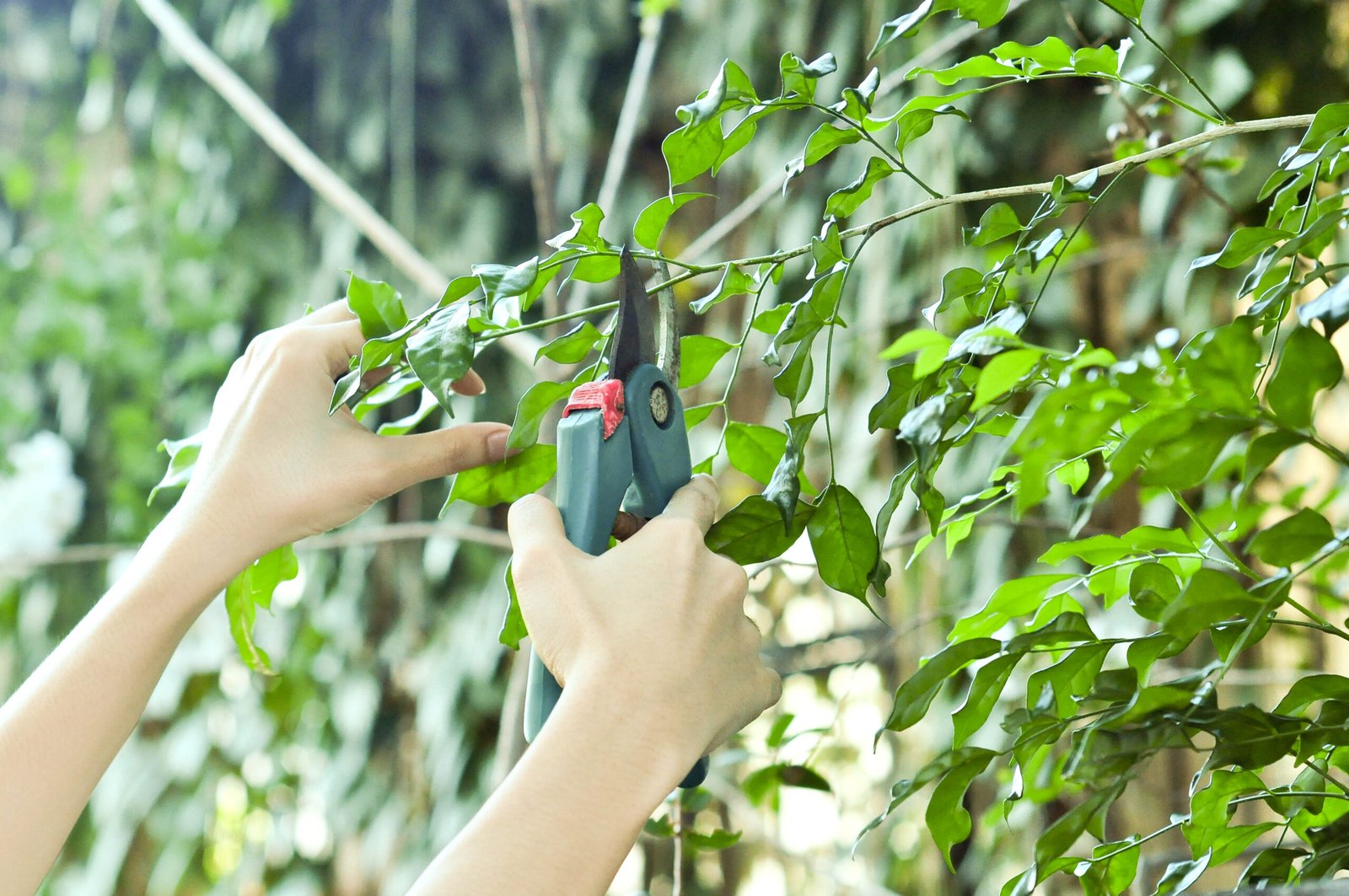
Improve Tree Health
Dead and diseased branches compete with healthy parts of the tree for nutrients. Removing these branches allows the tree to focus its energy on healthy growth.
Professional pruning also helps:
- Improve air circulation
- Increase sunlight penetration
- Reduce the spread of disease
- Encourage stronger branch development
- Promote long-term tree health
Healthy trees are more resistant to pests, disease, and harsh weather conditions.
Reduce Storm Damage
Overgrown or weakened branches are more likely to break during strong winds, heavy rain, or snowstorms. Falling limbs can damage roofs, vehicles, fences, and nearby structures.
Routine pruning removes weak branches before severe weather arrives, reducing the likelihood of emergency tree removal.
Protect Buildings and Utility Lines
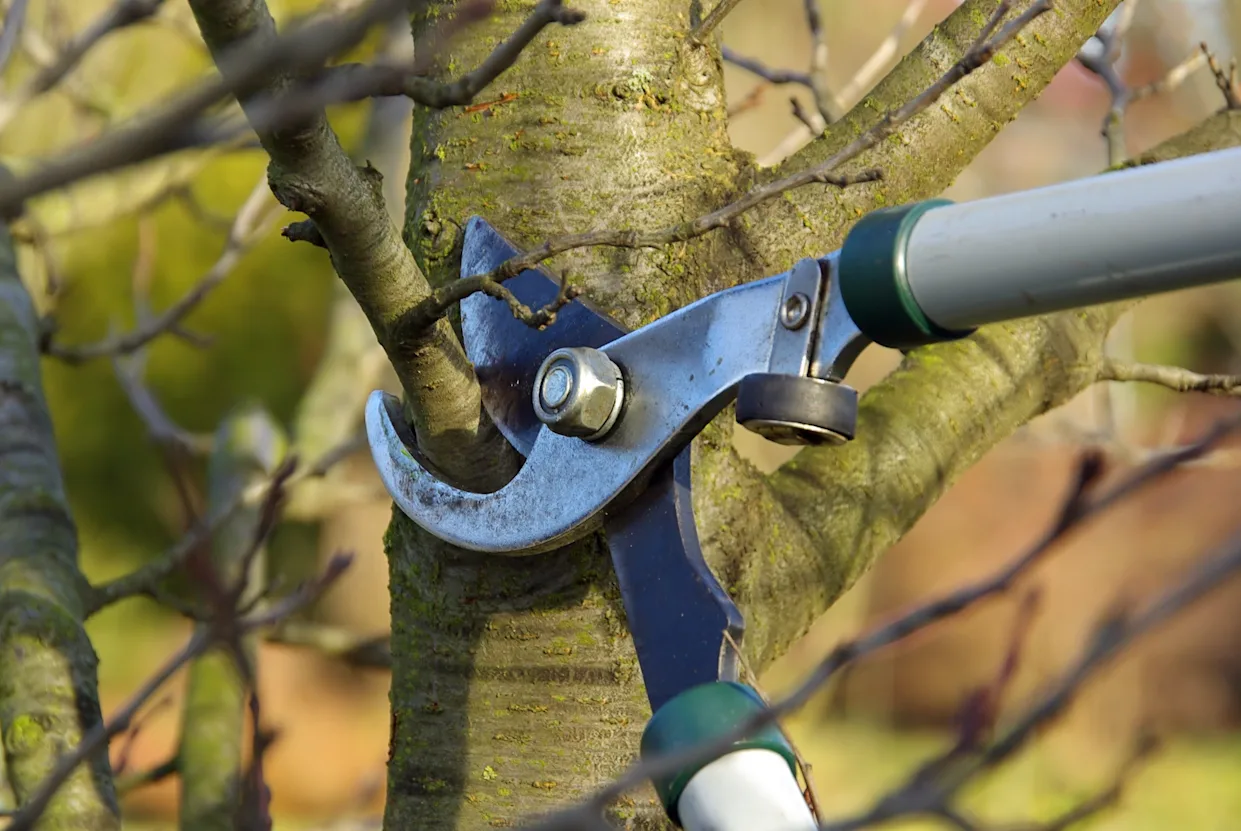
Branches growing too close to homes, garages, sidewalks, or electrical lines can create serious safety hazards. Regular pruning keeps trees properly shaped and prevents limbs from interfering with surrounding structures.
Maintaining safe clearance also helps reduce property maintenance costs.
Improve the Appearance of Your Landscape
Well-pruned trees create a cleaner, healthier, and more attractive landscape. Balanced canopies enhance curb appeal while allowing more sunlight to reach lawns, gardens, and other plants.
Healthy trees can significantly improve the overall appearance and value of residential and commercial properties.
Detect Problems Early
Professional pruning appointments often reveal hidden issues that homeowners might overlook, including:
- Internal decay
- Insect infestations
- Cracked branches
- Weak branch unions
- Early signs of disease
Early detection allows for prompt treatment before these problems become more serious.
How Often Should Trees Be Pruned?
The ideal pruning schedule depends on the tree species, age, and overall condition.
Generally:
- Young trees should be pruned every 2–3 years.
- Mature trees benefit from pruning every 3–5 years.
- Fast-growing trees may require more frequent maintenance.
- Storm-damaged trees should be inspected immediately.
Routine inspections help determine the best schedule for each tree.
Why Hire Professional Tree Care Specialists?
Tree pruning requires knowledge, proper equipment, and safe techniques. Incorrect pruning can weaken a tree, create permanent damage, or increase the risk of disease.
Experienced professionals know how to prune different tree species correctly while preserving their health, stability, and natural beauty.
Conclusion
Regular tree pruning is one of the most effective ways to maintain a safe, healthy, and beautiful landscape. By removing hazardous branches, improving tree health, and preventing storm damage, professional pruning helps protect your property while extending the life of your trees. Investing in routine tree maintenance today ensures a stronger, more attractive landscape for years to come.