
Why Routine Tree Inspections Are Essential for Urban Trees in New York City
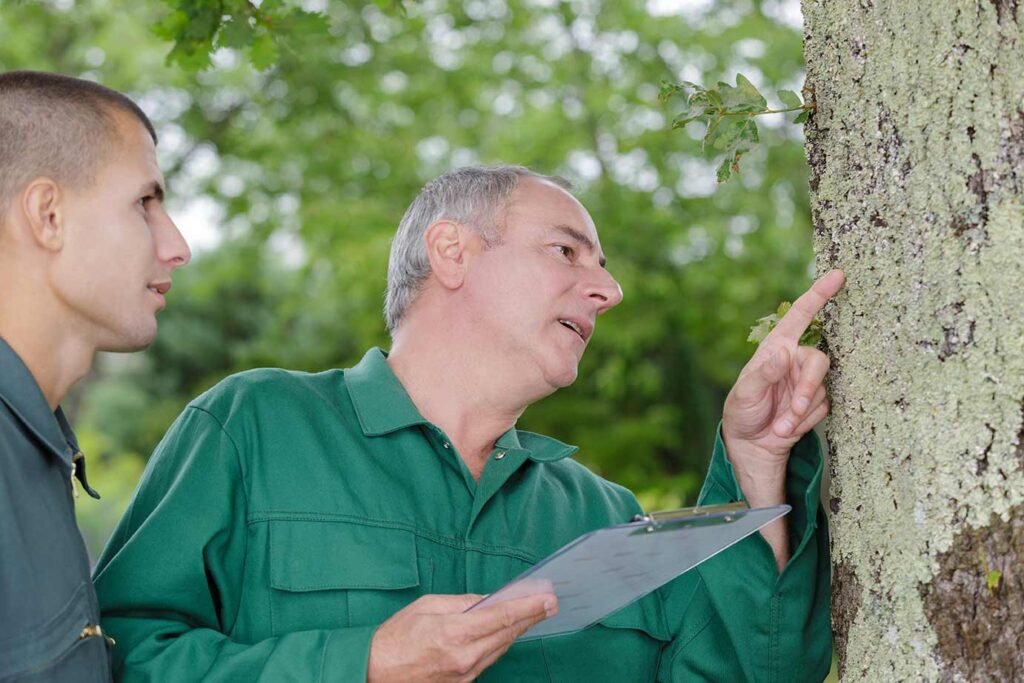
Trees in New York City face unique challenges that suburban and rural trees rarely experience. Limited growing space, compacted soil, air pollution, heavy pedestrian traffic, and frequent construction projects can all affect a tree’s health and stability. That’s why routine tree inspections are one of the most important services property owners can invest in. Regular evaluations help identify hidden problems early, allowing trees to remain healthy while reducing the risk of property damage and costly emergencies. NYC Tree Pro recommends routine inspections as part of a complete tree care program for both residential and commercial properties throughout Manhattan and the Bronx. Urban Trees Face More Stress Unlike trees growing in forests, city trees must survive in confined spaces with limited access to water and nutrients. Constant exposure to vehicle emissions, sidewalk construction, and underground utility work can gradually weaken their health. Without regular monitoring, these stresses may lead to structural problems that become dangerous over time. Detect Hidden Problems Before They Become Emergencies Many tree issues develop internally before visible symptoms appear. A professional inspection can identify: Internal decay Root damage Insect infestations Fungal diseases Weak branch attachments Structural instability Finding these issues early often makes treatment possible and reduces the likelihood of emergency tree removal. Improve Public and Property Safety In busy neighborhoods, falling branches can endanger pedestrians, parked vehicles, nearby buildings, and utility lines. Routine inspections help identify hazardous limbs before they fail, reducing the risk of accidents and unexpected property damage. This is especially important for mature trees located near sidewalks, streets, and commercial buildings. Increase the Lifespan of Your Trees Healthy trees provide long-term value when they receive proper care. Regular inspections allow professionals to recommend pruning, disease treatment, soil improvement, or other maintenance that supports healthy growth. Preventive care helps trees remain stronger, healthier, and more resistant to severe weather. Identify Storm Damage Quickly After heavy rain, snow, or high winds, trees may suffer hidden structural damage that isn’t immediately visible. Cracked limbs, weakened trunks, and damaged roots can create future hazards if left untreated. Scheduling an inspection after major storms helps identify these problems before they worsen. Protect Your Landscape Investment Mature trees add beauty, shade, and value to any property. Replacing a large tree can take decades, making preservation an important investment. Routine inspections help homeowners: Protect valuable landscape features Prevent unnecessary tree loss Reduce maintenance costs Improve curb appeal Maintain a healthier outdoor environment Save Money Through Preventive Care Emergency tree services are often much more expensive than routine maintenance. By identifying problems early, homeowners can schedule repairs or pruning before they become urgent. Preventive inspections may help avoid: Emergency removals Roof damage Vehicle damage Sidewalk repairs Liability from falling branches How Often Should Trees Be Inspected? Most healthy mature trees should be professionally inspected at least once a year. Additional inspections are recommended after severe storms, construction work near tree roots, or whenever you notice unusual changes such as leaning, dead branches, or declining leaf growth. Regular evaluations help ensure trees remain safe throughout every season. Conclusion Routine tree inspections are one of the most effective ways to maintain healthy, attractive, and safe trees in an urban environment. By identifying hidden problems early, preventing storm-related hazards, and extending the life of valuable trees, professional inspections protect both your property and your investment. Whether you own a home or manage a commercial property, proactive tree care is the key to keeping your landscape safe and thriving for years to come.
How Tree Pruning Improves the Safety and Beauty of Your Property
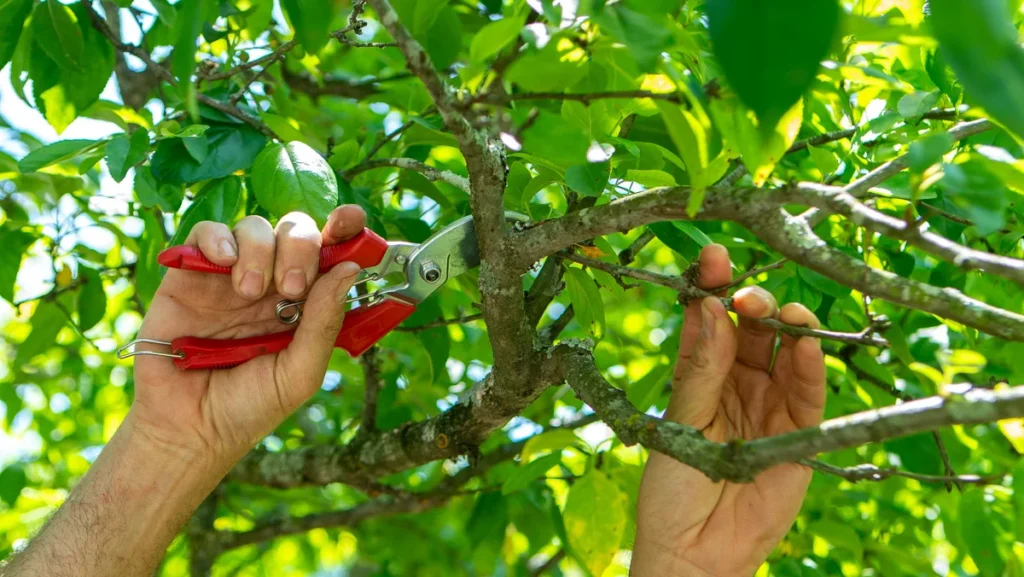
Trees are one of the most valuable features of any landscape, offering shade, cleaner air, and natural beauty. However, without regular maintenance, trees can become overgrown, unhealthy, and even hazardous. Professional tree pruning is an essential part of tree care that not only enhances the appearance of your property but also helps prevent accidents and extends the life of your trees. What Is Tree Pruning? Tree pruning is the selective removal of dead, damaged, diseased, or overgrown branches to improve a tree’s overall health and structure. Unlike tree removal, pruning is designed to preserve the tree while encouraging healthy growth and maintaining its natural shape. Proper pruning allows trees to thrive while reducing the risk of future problems. Improve Tree Health Dead and diseased branches compete with healthy parts of the tree for nutrients. Removing these branches allows the tree to focus its energy on healthy growth. Professional pruning also helps: Improve air circulation Increase sunlight penetration Reduce the spread of disease Encourage stronger branch development Promote long-term tree health Healthy trees are more resistant to pests, disease, and harsh weather conditions. Reduce Storm Damage Overgrown or weakened branches are more likely to break during strong winds, heavy rain, or snowstorms. Falling limbs can damage roofs, vehicles, fences, and nearby structures. Routine pruning removes weak branches before severe weather arrives, reducing the likelihood of emergency tree removal. Protect Buildings and Utility Lines Branches growing too close to homes, garages, sidewalks, or electrical lines can create serious safety hazards. Regular pruning keeps trees properly shaped and prevents limbs from interfering with surrounding structures. Maintaining safe clearance also helps reduce property maintenance costs. Improve the Appearance of Your Landscape Well-pruned trees create a cleaner, healthier, and more attractive landscape. Balanced canopies enhance curb appeal while allowing more sunlight to reach lawns, gardens, and other plants. Healthy trees can significantly improve the overall appearance and value of residential and commercial properties. Detect Problems Early Professional pruning appointments often reveal hidden issues that homeowners might overlook, including: Internal decay Insect infestations Cracked branches Weak branch unions Early signs of disease Early detection allows for prompt treatment before these problems become more serious. How Often Should Trees Be Pruned? The ideal pruning schedule depends on the tree species, age, and overall condition. Generally: Young trees should be pruned every 2–3 years. Mature trees benefit from pruning every 3–5 years. Fast-growing trees may require more frequent maintenance. Storm-damaged trees should be inspected immediately. Routine inspections help determine the best schedule for each tree. Why Hire Professional Tree Care Specialists? Tree pruning requires knowledge, proper equipment, and safe techniques. Incorrect pruning can weaken a tree, create permanent damage, or increase the risk of disease. Experienced professionals know how to prune different tree species correctly while preserving their health, stability, and natural beauty. Conclusion Regular tree pruning is one of the most effective ways to maintain a safe, healthy, and beautiful landscape. By removing hazardous branches, improving tree health, and preventing storm damage, professional pruning helps protect your property while extending the life of your trees. Investing in routine tree maintenance today ensures a stronger, more attractive landscape for years to come.
How Storm Damage Affects Tree Health in NYC and When Removal Becomes Necessary
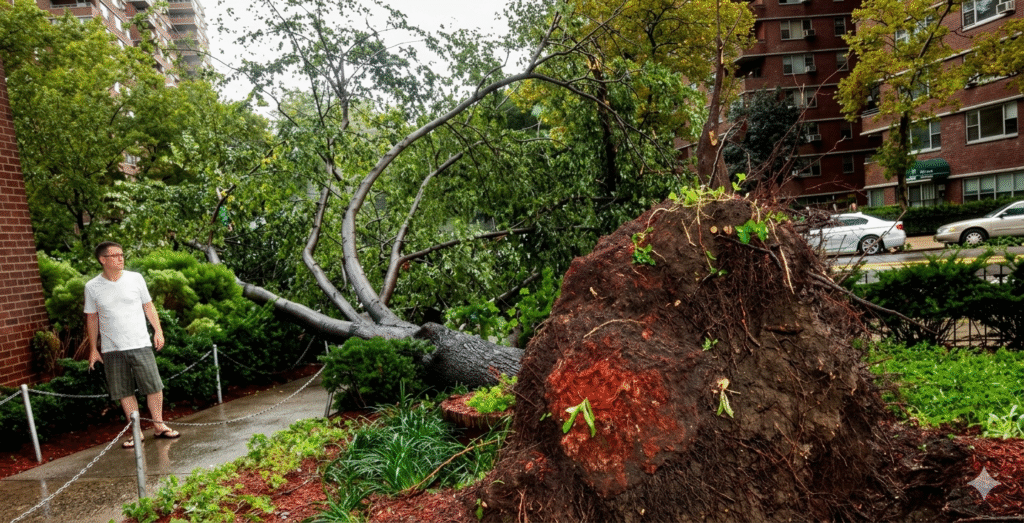
The U.S. Forest Service estimates that a big tree may lose up to 30% of its root system during a big storm and not noticeably decline in appearance for weeks. That one figure is why so many trees around NYC that are affected by the storm fall down several months after the storm that caused the damage. A nor’easter or summer microburst can set back decades of a tree’s growth in a few hours and throughout New York City’s five boroughs, storm season leaves behind more than broken branches and strewn sidewalks, but trees with hidden wounds that may fester for years after storms pass. The first step in protecting your property, your family and the urban canopy that makes NYC neighborhoods livable is to understand how storms affect the structural integrity of trees. Why NYC Trees Are Especially Vulnerable to Storm Damage Urban trees are under different stresses than rural trees and thus are more vulnerable to storm damage initially. City soil compaction reduces root extension, causing many NYC street trees to have weaker, shallower root systems before a storm comes. Combine limited growing room due to sidewalks, utility lines, building foundations, and you have trees that do not have the structural “runway” to take the high winds like a forest-grown tree would. Many Bronx and NYC trees are also chronically weakened by urban heat island effects and years of soil stress due to road salt, pollution, and minimal water infiltration. If a tree is already under stress from these environmental factors, a storm impacts the tree, the damage is compounded and the recovery period is shortened. This is why two trees of the same species and age can respond completely differently to the same storm one may shake off a wind event with minor pruning needs, while the other suffers catastrophic structural failure. The Hidden Toll of Storm Damage on Tree Health A tree’s damage is not always apparent when high winds, heavy snow, or flooding occur. One of the most under-estimated effects of extreme weather is root system disturbance. Wet soil and high wind can cause a tree’s root plate to become loose, and it may not be apparent until the next storm knocks it over completely. Many homeowners think that a tree “survived” a storm because it is still upright, but actually the root structure has already been damaged and the tree is unstable. Bark splitting and cambium damage are equally serious, if less obvious to an untrained eye. Just below the bark is the cambium layer which moves nutrients and water around the tree. If ice, falling debris or wind penetrates this layer, it allows the fungus pathogens and wood-decay organisms to invade, causing the gradual hollowing of limbs and trunks over the following seasons. Canopy stress also plays a major role in long-term decline. A tree that has lost a substantial amount of its foliage during a storm will not be able to photosynthesize at its best, and its overall vigor will be decreased, which can make it more susceptible to pests and diseases such as the Asian longhorned beetle, known to be a serious hardwood tree threat in NYC. A wind-denuded canopy also produces reduced shade and cooling for adjacent property, impacting such costs as energy bills and even other plant health. Internal cracking, meanwhile, is perhaps the most dangerous type of storm injury because it’s almost entirely invisible without a trained assessment. In some instances, micro fractures within a trunk or large limb may occur as a result of the flexing stresses of strong winds, and may not show any external signs until the tree’s load-bearing ability is severely compromised. Warning Signs That Demand Professional Evaluation Even though not all trees that are damaged need to be removed, some warning signs cannot be ignored. Means of safety hazard to pedestrian, vehicle and building below is hanging or partially attached limbs, which should be considered as emergency rather than routine maintenance. Deep structural weakness is indicated by vertical trunk cracks and the inclusion of bark at the branch unions; it is likely to fail if subjected to future stresses, even though it may not appear otherwise unhealthy. Homeowners should also watch for soil heaving around the base of a tree a subtle mound or crack in the ground near the root flare that indicates the root system has already begun to shift. This is usually the most obvious indication that a tree’s balance has been upset to an irreparable degree, and in conjunction with an obvious lean that was not there before the storm. A sudden lean following a storm is a much more serious situation than a tree has been leaning for years. Another important sign is if the trunk or exposed roots have mushroom or fungal conks growing on them. The fruiting bodies are signs of inner rot often occurring long before the storm and with the storm just hastening the inevitable death of an already compromised tree. Another indicator to watch for is the accumulation of deadwood in the upper canopy after a storm, as dead limbs are more likely to fall in subsequent storms. When Tree Removal Becomes the Safer Choice The general rule of thumb for certified arborists is to remove trees that exhibit more than 50% crown dieback, have significant trunk cracks, or have root instability that could pose a threat to surrounding structures. In NYC neighborhoods where lots are built adjacent to one another, and trees stand tall next to brownstones, sidewalks and power lines, there is little margin for error. A tree that may survive in a rural landscape may not be able to survive in an urban landscape where one dropped limb could destroy a house, a car or a pedestrian. Risk assessment should always weigh the tree’s proximity to structures, its species’ typical failure patterns, and the extent of internal decay. Certain species, such as Bradford pear or silver maple, commonly found throughout the Bronx and greater NYC area are
Skilled Professionals for All Types of Tree Work & Care
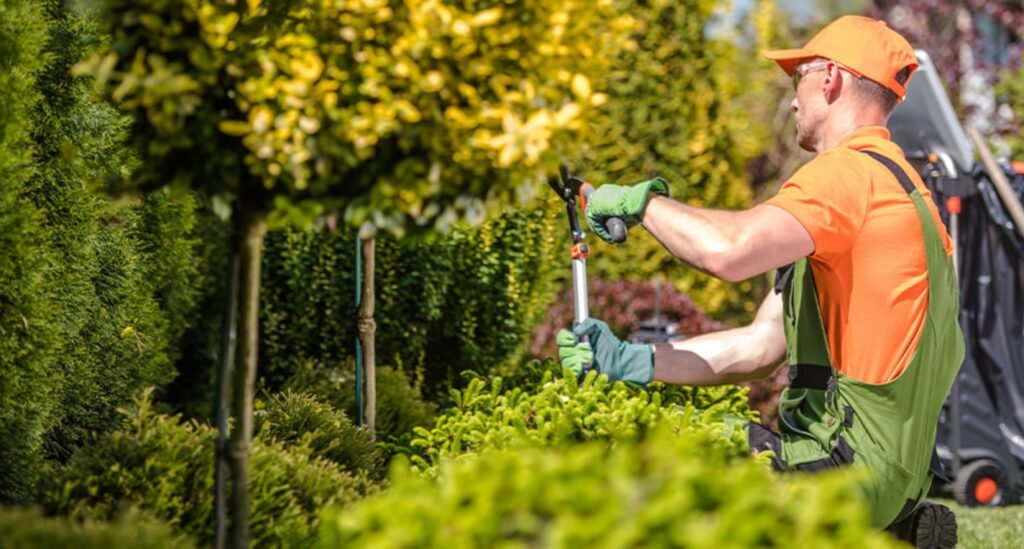
In today’s modern and advanced times, where development, construction and infrastructure are quickly increasing everywhere, the importance of trees cannot be ignored. Especially in a large and busy city like New York City, trees are not just a part of natural beauty but also an important part of the environment that helps keep the air clean and purify, control pollution and make the city more livable and cozy. Still, without proper care and management, trees that are meant to be useful can also become a risk or danger. That is why the need for Skilled Professionals for All Types of Tree Work & Care is very felt in every housing and commercial area. A skilled company like NYC Tree Pro understands this need and provides complete and expert tree services that guarantee safe and useful solutions in every situation and condition. Role of Skilled Professionals in Tree Care: Tree care is not a simple plan or task but a specialized field that requires experience, knowledge and proper training. Skilled professionals are those people who personally and deeply understand the health, structure and growth of trees and make the best and most perfect decisions according to every situation or condition. In a city like New York City, every tree grows in different environmental conditions, which means its care requirements are also different. The skilled professionals at NYC Tree Pro carefully and skillfully examine every tree personally and provide treatment and care based on its specific condition. This method not only keeps the tree safe but also improves its long-term health and stability. Tree Survey and Health Assessment: One of the most important steps and parts in tree care is the survey, where experts carefully and skillfully check the overall health of the tree. During this method, they detect if the tree is healthy or if there are any diseases, weaknesses or structural issues that show. Skilled professionals completely examine the roots, trunk and branches of the tree. The experts at NYC Tree Pro use modern methods to decide if the tree needs trimming, cutting or complete removal. This careful and useful survey helps reduce future risks and guarantees the safety of nearby properties and the nearby. Tree Trimming and Skilled Shaping: Tree trimming is an important method that helps control and balance tree growth. When branches become overgrown, they can weaken and fall, creating possible accidents and safety risks. Skilled professionals carefully and skillfully trim these branches to maintain the strong, useful and safe structure of the tree. The experts at NYC Tree Pro guarantee that during trimming, the natural shape of the tree is maintained and protected. Their focus is not only on cutting branches but also on improving the charm and beauty of the tree. Proper shaping improves the overall landscape look and increases the property’s attractiveness and value. Tree Cutting and Disease Control: Cutting is an advanced tree care method in which only weak, dead or diseased branches are removed. The main plan of cutting is to improve the inner health of the tree so that it remains or stay strong and long-lasting. Skilled professionals first identify or detect which branches are affecting the tree’s growth. The arborists at NYC Tree Pro carefully and successfully perform cutting to protect the tree from diseases and improve its natural development and growth. This method strengthens and improves the overall structure of the tree and makes it more useful and helpful for the environment. Safe Tree Removal Services: Sometimes situations happen where tree removal becomes important. If a tree becomes dead, diseased or physically weak, it can become a danger to the nearby area. In such cases, the role of skilled professionals becomes very important. NYC Tree Pro provides safe and controlled tree removal services where every step is carefully and perfectly planned. If the tree is located in a housing area or a busy commercial area, experts use modern tools and safety methods to remove the tree safely without causing any damage to the nearby. Emergency Tree Work and Quick Response: Natural disasters such as storms, heavy winds and snowfall can seriously damage trees or even cause them to fall. In such emergencies, quick action is required to avoid more damage and accidents. NYC Tree Pro provides fast emergency tree services with quick response times. Skilled professionals are always ready to manage any emergency situations successfully. Their main focus is on public safety and property protection, guaranteeing timely relief for customers. Use of Advanced Tools and Safety Rules: Modern and advanced tree work requires the use of the latest tools to guarantee safety and perfection. Tools such as cranes, ropes, harnesses and cutting tools help professionals complete their work more successfully while reducing risks. NYC Tree Pro provides its skilled professionals with the latest tools and new technology to guarantee every project is completed with high safety rules. This method guarantees that every job is fulfilled at a professional level and provides the best possible results to customers. Environmental Responsibility and Sustainable Usages: Tree care is not limited to cutting or trimming trees; it also includes protecting the environment. Skilled professionals always consider and examine alternative solutions first to avoid unnecessary tree removal whenever possible. NYC Tree Pro follows eco-friendly practices, including wood recycling and proper waste management. This helps reduce negative environmental impact and promotes sustainability. Every decision is made carefully and skillfully to maintain the natural balance of the environment. Property Value and Outdoor Beauty Improvement: Well-maintained trees greatly increase the beauty and value of any property. A clean and well-organized outdoor space not only looks attractive but also creates a positive impression on visitors and possible buyers. Skilled professionals guarantee that trees are properly maintained so that the overall landscape looks improved, attractive and charming. The services provided by NYC Tree Pro improve the look of both housing and commercial properties, increasing their overall market value. Customer Satisfaction and Professional Method: In tree care services, technical skill alone is not enough; customer satisfaction is equally important.
Complete Outdoor Tree Care & Maintenance Solutions in NYC
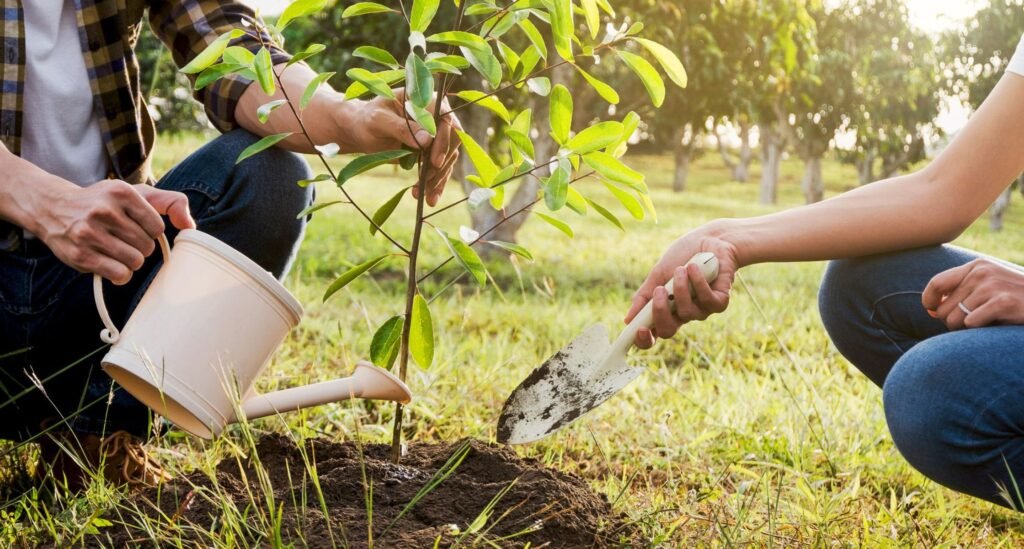
In today’s modern and advanced times, where a city like New York City is quickly developing and growing with buildings, roads and infrastructure everywhere, the role of trees becomes even more important. Trees are not just a part of greenery but an important part of a natural system that helps clean and purify the air, reduce pollution and provide people with a healthy and with a complete peaceful environment. Still, when trees are not properly cared for and maintained, they can become a risk instead of a benefit. This is why Complete Outdoor Tree Care & Maintenance Solutions are required in both housing and commercial areas. An expert company like NYC Tree Pro understands this need and provides complete and reliable tree care services that are safe and useful for every customer. Importance of Outdoor Tree Care: The concept of outdoor tree care is not just about looking at trees or keeping them green, but it is a complete method that includes the health, safety and growth of trees. In a busy city like New York City, outdoor trees are constantly and regularly under environmental pressure, pollution and limited space conditions, which creates tension or stress for them. If trees are not properly cared for, they can become weak, diseased or even dangerous over time. That is why regular maintenance is required to guarantee that trees maintain their natural beauty and strength. NYC Tree Pro provides expert outdoor tree care solutions that help keep trees healthy for the long term and support their natural development and progress. Complete System of Tree Maintenance: Tree maintenance is not a single plan or task but a complete system that includes many services. It involves trimming, cutting, fertilization, disease control and regular survey. Every tree has different needs, so maintenance must always be customized and personalized according to its condition. NYC Tree Pro carefully and skillfully examines every tree personally and creates a maintenance plan based on its requirements. This method guarantees that every tree receives the right care it needs and remains in its best condition. Proper maintenance increases the lifespan of trees and makes them more useful and helpful for the environment. Tree Trimming and Shaping Services: Tree trimming is a very important part or element of outdoor tree care. When branches become overgrown and thick, they not only look unattractive and ugly but also become dangerous. These branches can fall at any time and create risks and danger for property and people. NYC Tree Pro provides skilled trimming services where useless and weak branches are removed while maintaining the natural shape of the tree. This improves the health of the tree and keeps its growth balanced. Proper shaping also improves the overall landscape, making the property look more attractive, charming and increasing its value. Tree Cutting and Health Improvement: Cutting is a specialized tree care method that focuses on improving the inner health of a tree. In this method, diseased, dead or weak branches are carefully and skillfully removed so that the healthy parts of the tree remain or stay strong. NYC Tree Pro provides expert cutting services with expert arborists who help protect trees from diseases and improve their growth. Cutting not only keeps the tree healthy but also improves airflow and sunlight penetration, which is important for long-term growth and stability. Tree Removal and Safety Management: Sometimes situations happen where tree removal becomes required. If a tree becomes dead, diseased or physically weak, it can turn into a serious risk or danger. In such cases, removing the tree on time is very important to avoid accidents. NYC Tree Pro provides safe and skilled tree removal services where every step is carefully and skillfully planned. If the tree is located in a housing area or a busy commercial areas, their team uses safe methods to remove it without causing any damage to the nearby or property. Emergency Tree Care Services: Natural disasters such as storms, heavy winds or snowfall can be very dangerous and risky for trees. In such situations, trees may fall or block roads and buildings, creating emergencies. That is when emergency tree care services are required to provide quick response. NYC Tree Pro provides fast emergency services with skillfully managing. Their expert team is always ready to respond quickly to any emergency situation to guarantee public safety and avoid more damage. Advanced Tools and Modern Methods: Modern and advanced tree care heavily depends on advanced tools that make the work safer and more useful. Tools such as cranes, ropes, harnesses and cutting tools help complete plans easily and smoothly while reducing risks or dangers. NYC Tree Pro uses the latest tools and advanced methods to guarantee every project is completed at an expert level. Their focus is on both safety and effectiveness so that customers receive the best and most perfect possible service experience. Environmental Care and Sustainability: The plan of tree care is not only to maintain trees but also to protect the environment. Every tree plays an important role in improving air quality and maintaining an eco-friendly balance. NYC Tree Pro follows eco-friendly routines where unnecessary tree removal is avoided whenever possible. If removal is important, proper wood recycling and waste management are important to guarantee the least environmental impact and support stability. Property Value and Landscape Beauty: Well-maintained trees greatly increase the beauty and value of any property. A clean and well-organized landscape creates a positive impression on visitors and possible buyers. If trees become overgrown or damaged, they can negatively affect the look of the property. NYC Tree Pro provides services that improve the overall look of landscapes, making homes and businesses look more attractive and superior. Expert Team and Client Satisfaction: Tree care services require experience, knowledge and skill because every tree has different conditions and requirements. NYC Tree Pro has a trained and experienced team of professionals who manage every project with great care to detail. Their main focus is not only to complete the work but also to guarantee
Common Tree Diseases in NYC: Early Detection and When to Call an Arborist

Ever observed some strange spots on leaves on your trees or branches in your New York City property, suddenly becoming dead? Trees in an urban setting are always exposed to pollution, compacted soil, and pests, which predispose them to other natural diseases of trees in NYC. What seems to be little discolouration can soon be translated to serious structural damage when neglected. It is imperative to identify the issue at an early stage before it damages the trees and leads to their expensive disposal. Knowledge of warning signals and the time of calling a certified arborist in NYC may spell the difference between a saved and a lost tree. Why Trees in NYC Are More Vulnerable to Disease There are special stress factors on city trees, which disrupt the natural defenses of the trees. It also has limited soil space along with poor drainage, air pollution, and physical destruction, which is a result of construction, and this will result in decreased health of the trees. This condition makes the tree prone to fungus infection, bacterial diseases, and pests. The trees scattered throughout NYC do not have the ability to receive enough nutrients and water in areas planted on the sidewalks or those that surround the buildings. This stress, in the long run, offers the best environment within which diseases can grow and spread. The fact that the tree has become weaker will no longer ensure its effective resistance against the pathogens, and thus, the close attention of the property owner should be paid as soon as possible. Diseases of trees that are most prevalent in NYC. Some trees are vulnerable to numerous diseases, and New York City has trees. It would perhaps be a wiser thing to see them as soon as possible before it is too late: Dutch Elm Disease- This is a fungus that is propagated by the bark beetles, and the disease leads to drying of the leaves. Powdery Mildew – It is a film on the leaves, but appears to be powdery white; it is generally noticed on the maple and shade trees. Oak Wilt Disease – It is a serious disease that prevents the movement of water, and hence, the leaves are brown due to the same, and they dry very quickly. Anthracnose – This causes the appearance of the black spot, the leaf curling, and the loss of leaves, which would be early in nature and which would only be encountered during wet seasons. Root Rot (Phytophthora) – is a root-based infection, which is spread through the soil and results in the root growing poorly, and which is also unstable. The Red Flags That You Cannot Ignore. Early detection of disease is a major way of saving your tree. Most symptoms begin in an insidious manner and increase with time in the case of no treatment. The owners of the property are to be alert to the symptoms of yellowish leaves, unnatural growth patterns, and bark defects. Drying up of the leaves in the growing season, early falling of leaves, and white spots on the leaves are good predictors of problems. Internal decay may be indicated by cracks in the trunk or peeling of the bark. Also, when the pest activity suddenly increases, it is usually an indication of a diseased struggling tree. Periodic visual examination, particularly in spring and summer, can be used to detect issues prior to becoming significant dangers. The Role of a Certified Arborist in Diagnosis An arborist in NYC is essential for the proper diagnosis of diseases in trees. Although certain symptoms are comparable, they need experience and, in certain circumstances, even specialized equipment to be identified. Arborists evaluate the overall condition of the tree, check the soil environment, and perhaps even take some tests to define the root cause of the problem. This enables them to give specific remedies like pruning, soil amelioration, or disease control options. To employ a professional means that the problem will be tackled in the right place,e thus eliminating unnecessary elimination or useless remedies. When Tree Treatment Is Possible vs. Removal The diseased trees do not always require removal. The early intervention will restore the health of the trees and prevent more damage in most situations. Therapeutic measures can involve cutting of infected branches, fungicide, or amelioration of the oil to enhance the tree. Nevertheless, it needs to be removed in case the disease has seriously damaged the tree structure, or it is a safety hazard. The trees with high decay, root damage, or very large dead areas can be dangerous, particularly in the high-traffic NYC areas. An expert in the field of tree removal in NYC will then decide whether the tree can be saved or if it is best to have it removed. Protecting Trees in NYC through Preventive Care. Healthy trees can be maintained by having sufficient watering, enhancing the quality of the soil,l and arranging regular checks of the trees with a licensed arborist. The possibility of spreading diseases is also minimized by pruning the dead or weak branches. In cities, the urban trees require proactive care to offset the stress factors that the trees have to endure every day. The risk of seasonal tree disease in NYC. The seasonal trends of tree diseases in NYC are also common, and the time of year is a significant concern in the prevention and treatment of such diseases. The excess moisture in the spring season provides the best environment for fungal infections such as anthracnose and powdery mildew. Trees may be subjected even more to heat during summer, which serves as an additional risk factor by predisposing them to insects and secondary infections. Disease-weakened trees can start showing more symptoms in the fall, and damage in winter will provide an entry point in the next season. Conclusion Having a clue about what kind of diseases affect the trees in NYC and their early signs will help you prevent your trees from being damaged or cut down to the ground. Most
The Complete Timeline: What to Expect During a Professional Tree Removal Project in NYC
Have you ever had to deal with a situation where a leaning tree threatens your property on a New York City block? Urban tree removal in NYC is not only about chopping wood; it is a highly organized process in which licensed arborists, city permits, and specialized equipment play a major role in dense urban areas. Complexity is not calculated properly when property owners face issues such as limited access or nearby power lines. Knowing the precise schedule of a tree removal service will enable you to manage the inefficiencies of time, unforeseen expenses, and even accidents to safety, as well as make the project efficient throughout. Risk Evaluation and Detailed Site Inspection. An in-depth site inspection is part of the first stage of an undertaken project in professional tree removal. An NYC-certified arborist does a structural integrity assessment of the tree, which can reveal such problems as internal rot, root instability, or storm damage. In contrast to suburbs, the space to work in NYC properties is very limited, and this step is essential. A thorough inspection of the structures around, such as buildings, sidewalks, parked vehicles, and overhead utility lines, is done by the arborist. In most instances,s complex tools such as resistograph exercises or visual risk evaluation measures are employed to establish whether the tree is a threat or not. The safest removal plan is also established at this stage- sectional dismantling, removal employed with a crane, or controlled drop zones may be applied. Here, a definite scope of work is defined, and timeline and cost transparency are achieved. NYC Permit Processing and Compliance Navigating around local regulations is one of the most characteristic features of tree removal in NYC. The trees found on the public property or close to the property are oftentimes subject to a permit by the city authority. Special conditions can be imposed even in the case of personal property, particularly when the tree poses a threat to the sidewalks or general safety. An entire procedure for the permit for tree removal is completed by professional contractors, who are responsible for the documentation, site plan, and specification of the reason for removing the tree. This process will require a couple of days or even a number of weeks, based on approval conditions. There is no compromise when it comes to compliance. Illegal removal may attract substantial fines and legal issues. Established businesses consider this step as the initial one to prevent wasting time on a project and have everything within the city limits. Strategic Planning and Equipment Setup After the approvals are achieved, the next thing is the execution of the plan. This stage entails drawing a map that has an exact removal plan based on the urban limitations of NYC. They are seldom felled in one piece, unlike open spaces. Rather, sectional tree removal methods shall be used to have complete dismantling. Special machines like cranes, rigging, chainsaws, and wood chippers are to be arranged according to the size of the tree and its place. Crew coordination was also completed, placing assignments to the climbers, ground workers, and the safety supervisors. The location is then prepared with the provision of protective barriers, pedestrian areas, and as little inconvenience as possible to the surrounding properties. This degree of planning makes the process of removal efficient and safe. Controlled Tree Removal Execution The cutting and removal of the trees is where the real expertise is taken into account. This stage requires accuracy in NYC because of the lack of space and the threat of environmental disruptions at all times. The tree is scaled up by professionally trained climbers with the help of harness systems, with the climbers taking off branches and hauling them down with the help of ropes. In the case of big or dangerous trees, the crane-assisted tree removal is commonly applied. One part is lifted and safely brought to the ground without damaging the buildings around it. This technique is particularly predominant in overcrowded areas of neighborhoods where space is highly constrained. There are safety measures that are observed closely. The crews are equipped with protective equipment, and communication is done throughout to coordinate the cuts and movements. This process may last hours or even a whole da , depending on the complexity. Debris Management and Site Cleanup Once the tree has been removed completely, the next target is the removal of debris and the cleanup of the site. In NYC, there is no way to leave rubbish on the ground because of the high sanitary norms and the lack of space. The branches are introduced into wood chippers, and the large logs are cut into small pieces that can be removed. The staff makes sure that all the ground surfaces (sidewalks and driveways) and other surrounding areas are free of debris. Cleaning is also one of the characteristics of a professional service since it provides the possibility to restore the usability of the property once the procedure of removal is finished. Stump Grinding and Root Management. It is not just the job of removing the tree; the rest of the stump may cause both aesthetic and utilitarian problems. Stump grinding services in NYC can generally be suggested to remove the remaining base. The stump is cut with high-power grinding machines to less than ground level, which does not allow the stump to grow back, and also removes the danger of tripping. This is particularly critical in city areas where space is a luxury and future landscapes can be developed. Final Inspection and Property Restoration The final phase ensures the project conforms to professional standards. An inspection is made to ensure all the parts of the service of tree harvesting are done safely and efficiently. Any wood chips or debris that were left are cleared, and the ground is leveled off in case stump grinding was carried out. The contractors can also give suggestions on what to do with the trees around them, either to plant them again or to keep
Manhattan vs. Bronx: How Tree Care Needs Differ Across NYC Boroughs
Have you ever looked at a tree on a Manhattan sidewalk and then driven through the Bronx and noticed how completely different the trees look? Same city, same borough system, same Parks Department, but the trees, the soil, the risks, and the rules are worlds apart. If you own property in either borough, this matters more than you might think. The wrong tree care approach in the wrong borough can mean dead trees, cracked sidewalks, hefty fines, or serious storm damage. Here’s what actually makes Manhattan and Bronx tree care different and why it matters. Manhattan Trees Are Fighting to Survive Let’s not sugarcoat it – Manhattan is one of the toughest places on earth for a tree to grow. Most of the street trees planted here are scrunched into tiny tree pits – often just 4 by 6 feet of soil surrounded by concrete all the way around. And under that soil? Subway lines, steam pipes, and all those utility cables block roots from getting where they need to go. The most common trees you’ll see on Manhattan streets include: Honeylocusts Callery pears London plane trees Ginkgos These species were picked for a reason; they’re tough enough to handle the pressures of city living. But even so, they’re still struggling to make it. Here’s what Manhattan trees face that you probably dont know about: Crushed soil. The soil under Manhattan sidewalks is so packed down its basically suffocating. Tree roots cant get much of a breath, and that will quietly kill them from the bottom up. And the worst part is, its years before you even notice anything is wrong with the leaves or the branches. Winter salt problems. Every time winter rolls around, de-icing salt gets washed into tree pits and thats a real killer. It stops roots from getting water and before you know it , the leaves are scorching and the branches are dying back. And the weird thing is, there can be plenty of water in the ground, but that salt is still causing problems. Heatwaves Just walking down the street in Midtown on a sweltering summer day, the surface temperatures can be a 15 to 20 degree hit compared to anywhere else. And that is just one more thing thats putting the screws to trees that are already struggling because they cant get their roots down deep enough. Sidewalk issues. Because of all the pressure on their roots, they start pushing out against the concrete and before long you have cracked, uneven sidewalks and then the property owner gets hit with a DOT fine that they have to pay to fix Permits Matter a Lot in Manhattan You can’t just hire someone to trim a street tree in Manhattan. Any work on a publicly owned tree requires a tree work permit from NYC Parks. Getting caught doing unpermitted work, even basic pruning, can result in serious fines. Trees near Con Edison lines or MTA infrastructure add even more red tape. The Bronx Has More Trees and Bigger Challenges The Bronx is completely different. With over 23,000 acres of parkland, including Pelham Bay Park, the largest park in all of NYC, the Bronx has far more trees, much bigger trees, and a completely different set of problems to manage. The Big Issue: Old, Large Trees Manhattan mostly has younger, smaller street trees. The Bronx has massive, mature trees, some decades old, in residential yards, along parkways, and bordering properties. These trees look beautiful, but they come with serious risks: Weak branch unions that can split under wind or snow load Internal trunk decay that isn’t visible from the outside Root rot from poor drainage in lower-lying neighborhoods Dead wood in the upper canopy that can fall without warning Assessing these risks properly requires a qualified ISA Certified Arborist doing a formal tree risk assessment, not just a visual check from the street. Soil Conditions Vary Wildly Unlike Manhattan’s uniformly compacted sidewalk soil, the Bronx has very different ground conditions depending on the neighborhood: Riverdale and Fieldston sit on higher ground with glacial soil that drains poorly and has hard layers that block root growth Areas near the Bronx River have wet, waterlogged soil where root rot diseases spread easily South Bronx and Tremont have more disturbed urban soil similar to Manhattan’s conditions Invasive Species Are a Real Problem The Bronx has more green space, which unfortunately means more room for invasive trees to take over. The biggest offenders: Tree of heaven (Ailanthus altissima) spreads aggressively and releases chemicals into the soil that prevent other plants from growing Norway maple crowds out native trees and is extremely difficult to remove once established Spotted lanternfly now firmly present across the Bronx, attacking maples, birch, black walnut, and willow trees Managing these issues requires a completely different strategy than anything you’d use on a Manhattan street tree. The Permit Rules Are Different Too Both boroughs follow NYC Parks Department rules, but what comes up most often is different: Manhattan The Bronx Utility conflict permits Hazard tree removal permits Sidewalk repair coordination Wetland buffer compliance Structural soil systems Landmark tree designation (30″+ trunk) Conclusion Manhattan and the Bronx may look like one giant urban jungle side by side on a map, but for tree care, the two boroughs are as different as night and day. Manhattan calls for a kind of precision urban tree care that involves working around the bustling infrastructure, coping with the brunt of salt, heat, and coming to terms with a complicated set of permit rules. The Bronx, by contrast, needs mature tree risk management to combat invasive species as well as a real understanding of highly variable soil conditions. A one-size-fits-all approach just won’t cut it around these parts. If you’re in the market for a team that genuinely understands what makes the boroughs tick – inside and out – NYC Tree Pro has the local know-how, certified arborists, and all the necessary permit knowledge required to get the job done right.
Trees and NYC’s Million Trees Initiative: How Your Property Fits Into the City’s Green Future
Did you realize that (in summer) some neighbourhoods in NYC are, on average, 7-10F hotter than others, simply because they do not have trees? This is not a theory; it is a factually documented urban heating issue that affects property values, energy bills, stormwater flooding, and even health. To address this, the City of New York initiated one of the most massive urban greening initiatives in the United States: the Million Trees Initiative. However, this is where most property owners fail to understand that your personal property is a key determinant of this initiative’s success or failure. This guide will demystify just how the Million Trees Initiative should operate, how it will impact homeowners, landlords, and commercial property owners and developers, and what exactly you can do to prepare your property to the green future of NYC, without any imprecise advice and empty platitudes. Understanding NYC’s Million Trees Initiative (Beyond the Headlines) The Million trees NYC Initiative does not seem to have been merely the case of planting trees to beautify the city, initiated by NYC Parks in association with the New York Restoration Project. The city possessed quantifiable objectives: Expand urban canopy areas, particularly in underserved areas. Minimize stormwater runoffs which overload sewer systems. Reduced low-surface and air temperatures in urban high-density areas. Clean the air by capturing the small particles. Increase climate resilience to severe weather. Though the city hit a goal of one million trees, the program was not discontinued. Trees perish, are cut down in the way of building, or are dangerous. Now NYC is all about canopy protection, planting, and engagement by individuals in the properties- they are where you come in. Why Private Properties Matter More Than Public Land The most important point that most of the owners overlook is that more than 60 percent of the land that can be planted in NYC is privately owned. The urban canopy cannot be nurtured and developed by the streets and parks only. The contribution of the private properties is: Trees in front yard and the backyard. Sidewalk-adjacent plantings Parking lot shade trees Corporate landscape buffers. Bases of multi-family housing. Residential (schools, hospitals and religious buildings) In the absence of the participation of the private property, the inequality of canopies intensifies, with some areas remaining green and other areas remain concrete-heavy heat islands. NYC Tree Canopy Gaps: How Location Impacts Your Responsibility There are inequalities in tree coverage across NYC’s neighborhoods. The South Bronx, East New York, Brownsville, and certain areas of Queens, particularly, have historically had lower canopy coverage. If your property is in a Priority Planting Area, the city: Engages in promotional campaigns to encourage tree planting on privately owned land Offers free or subsidized street tree plantings to property owners Encourages owners to preserve mature trees during renovations Pays particular attention to tree removal permits Within these zones, property owners bear both more opportunities and more responsibility. What the Million Trees Initiative Means for Homeowners If you own a single-family or small residential property, your role is more significant than you think. Yard Trees Are Not “Just Landscaping” A mature tree on your property can: Intercept thousands of gallons of rainwater annually Reduce cooling costs by up to 30% Increase property value by 5–15% Improve neighborhood air quality NYC recognizes this impact, which is why tree removal without permits can lead to serious fines—even on private land. Common Mistakes Homeowners Make Removing a tree, assuming private ownership, means no regulation Planting invasive or poorly suited species Ignoring sidewalk root conflicts until violations occur Over-pruning, which weakens the tree’s structure and violates city standards How Landlords and Multi-Family Property Owners Are Affected For landlords, trees are no longer optional amenities—they are risk and compliance assets. Trees and NYC Violations Improperly maintained trees can result in: DOB violations DOT sidewalk damage citations Tenant safety complaints Insurance liability exposure At the same time, well-managed trees: Reduce heat buildup in brick and concrete buildings Improve tenant retention Support sustainability ratings and certifications In many boroughs, tree canopy presence now correlates with rental desirability, especially during hotter months. Commercial Properties and the City’s Green Expectations Retail centers, office buildings, warehouses, and mixed-use developments face increasing pressure to support NYC’s environmental goals. Parking Lots and Heat Islands Large paved surfaces without shade contribute heavily to: Urban heat island effect Asphalt degradation Stormwater runoff surcharges Strategically placed trees can: Lower surface temperatures Extend pavement lifespan Reduce drainage system strain Developers are increasingly required to submit landscape and tree protection plans as part of project approvals. Tree Removal, Permits, and Legal Reality in NYC One of the most misunderstood aspects of NYC tree regulation is what you can and cannot remove. When a Permit Is Required You typically need approval if: The tree is street-adjacent The tree exceeds a certain caliper (trunk diameter) Removal impacts sidewalk infrastructure Construction affects a tree’s critical root zone Illegal removal can result in: Heavy fines Mandatory replacement planting Project delays Legal disputes with the city NYC tracks tree canopy loss carefully—ignorance is not a defense. Choosing the Right Trees for NYC Properties (Not All Trees Are Equal) It may cause more difficulties than benefits by planting the wrong tree. Species Selection Matters NYC encourages species that: Accept pollution and hard soil. Be well-developed branch architecture. Does the region have pests that are resistant or not? Match available root space Poor choices can lead to: Sidewalk upheaval Frequent limb failure Premature tree death Ongoing maintenance costs This is the reason why it is necessary to plan professionally rather than planting it yourself. One of the main reasons that trees are lost in NYC is construction. What the City Expects Root protection zones are clearly marked No heavy equipment over critical roots Soil compaction prevention Post-construction tree health monitoring Failure to protect existing trees can: Trigger stop-work orders Require costly mitigation Delay inspections and approvals The trees should not be treated as non-renewable barriers to be disposed of. Stormwater Management and Trees: The Overlooked Connection There
How NYC Construction Projects Damage Nearby Trees: Protection & Recovery Guide
In New York City, the majority of the damage to trees in relation to construction is not done during storms or heat waves but instead done very quietly, during authorized building work. When a sidewalk replacement, a foundation dig, or a utility trench is cut into the same thin layer of soil where urban tree roots are preserved, it is in the same shallow layer of soil. Months later, a healthy tree in the street starts failing, and the property owner has to contend with infractions, estoppel expenses, or liability issues. The trees in NYC are planted in highly constrained, stressed conditions, whereas all trees in the suburban or rural environments are much less susceptible to the damage associated with construction. This guide mentions exactly how construction harms the surrounding trees in NYC, what the initial warning signs should be observed, and what the preventative measures and recovery strategies really do in the urban environment. Why NYC trees are uniquely vulnerable during construction The trees in NYC already have to endure stress in the city. And add building, and the margin on survival is absolutely slender. Some of the NYC-specific vulnerabilities are: Poor access to root zones by sidewalks, curbs, basements, utilities, and vaults. The soils of the compacted cities are low in oxygen and poorly drained. Root system in street and yard trees. Regulatory issues between DOB permits, DOT sidewalks, and the trees of the Parks Department. Contrary to trees in a forest, NYC trees are supported by a small share of working soil. Even destroying 10-20% of the root system, and degradation may set in within weeks. The most common ways construction damages nearby trees 1. Root severing during excavation and trenching Root cutting is the most devastating and widespread problem of construction in NYC. During: Foundation excavation Utility trenching (gas, water, sewer, electric) Sidewalk replacement Drainage or waterproofing job. There is regular cutting of structural and feeder roots without evaluation. Why this is catastrophic in NYC: The majority of tree roots lie in the 12-24 inches of soil. Roots usually go 2-3 times the width of the canopy. Felling of large roots makes trees unstable and interferes with the uptake of water. The immediate and delayed effects are: Sudden leaf drop or scorch Reduced canopy density Leaning or instability Increased risk of windthrow Delayed death 6-36 months delayed. 2. Soil compaction from heavy equipment and staging A tree can die alone by being compacted by soil, even without the cutting of roots. Common NYC scenarios: Dumpsters are set on root zones. Excavators were parked under canopies. Staged pallets of brick, cement,nt or steel in front of trunks. Compaction reduces: Oxygen availability Water infiltration Microbial activity Regeneration and growth of roots. Roots can be forced into suffocation in already compacted soils in NYC during the construction compaction. Symptoms are frequent and tend to manifest slowly: Fewer and fewer leaves each year. Sparse canopy Chronic dieback Pathogens take advantage of root weakness. 3. Grade changes and soil level alterations After waterproofing the basement trunks, backfilling against the trunks. Even a 2-4 inch grade change can: Smother surface roots Alter the moisture balance Root flare triggers trunk rot. Trees are made to fit accurately to the soil-to-trunk relationship. Trunk and bark damage from equipment and materials The destruction of the bark is not a cosmetic one, but rather a vascular one. Typical NYC causes: Skid steer contact Scaffolding installation Against trunks, materials were bent. Trees tied with chains and cables. Bark injuries disrupt nutrient flow and provide access points to: Decay fungi Insect pests Bacterial infections 5. Chemical exposure and construction runoff Construction brings with it substances that are not geared towards trees. High-risk exposures include: Concrete washout (highly alkaline) Mortar dust Fuel and hydraulic leaks Salt is used to de-ice prematurely. Even concrete runoff has the potential of increasing the soil pH to levels that cannot sustain life, thus sterilizing the root zone. NYC regulations most contractors ignore—but trees pay for Most property owners believe that the protection of trees is optional. In NYC, it is not. Key regulatory realities: The NYC Parks owns and controls street trees. Many of the permitted projects need Tree Protection Plans (TPP). Deforestation of safeguarded trees may lead to fines, stop-work orders, and required replacement. Nevertheless, enforcement is usually done when the damage is visible, and not when it might have been avoided. Early warning signs that your tree is being damaged by construction Watch these NYC red flags: Leaves are drying even with frequent watering. Abrupt weakness on the construction side. The appearance of cracks in the soil near the trunk. New lean after excavation Mushrooms in the base, or fungus. How to protect trees before construction starts Root zone mapping and exclusion areas Before any digging: Determine the Critical Root Zone (CRZ). Mark no-dig and no-storage boundaries. Where feasible, reposition foundation lines and trench paths. Effective fencing of trees (not orange cones). Effective fencing must: Be rigid and immovable Where possible, enclose the whole CRZ. Eliminate foot and equipment traffic. Air excavation instead of mechanical digging Where roots are present: In air spading, roots are not cut off. Enables routing of utilities around critical roots. Stabilizes stability and uptake capacity. Load distribution and soil protection systems. When access is unavoidable: Use ground protection mats Distribution of loads on a broader scale. Block pressure at root zones. Recovery options when damage has already occurred Not every damage caused by the construction can be fatal when dealt with in time and properly. Root zone remediation Includes: Excavation of the air to determine the damage. Selective root pruning Soil decompaction Organic modifications to NYC soils. Stability and stress-reduction pruning Structural pruning. When roots are lost: Lessen canopy load strategically. Enhance body weight distribution. Lower wind resistance It is not cosmetic pruning; it is risk management. Correction of soil chemistry and drainage. The soils that are built after construction are usually: Over-alkaline Compacted Hydrophobic Ongoing monitoring and risk assessment Damaged trees require: Seasonal evaluations Stability monitoring