Common Tree Diseases in NYC: Early Detection and When to Call an Arborist

Ever observed some strange spots on leaves on your trees or branches in your New York City property, suddenly becoming dead? Trees in an urban setting are always exposed to pollution, compacted soil, and pests, which predispose them to other natural diseases of trees in NYC. What seems to be little discolouration can soon be translated to serious structural damage when neglected. It is imperative to identify the issue at an early stage before it damages the trees and leads to their expensive disposal. Knowledge of warning signals and the time of calling a certified arborist in NYC may spell the difference between a saved and a lost tree. Why Trees in NYC Are More Vulnerable to Disease There are special stress factors on city trees, which disrupt the natural defenses of the trees. It also has limited soil space along with poor drainage, air pollution, and physical destruction, which is a result of construction, and this will result in decreased health of the trees. This condition makes the tree prone to fungus infection, bacterial diseases, and pests. The trees scattered throughout NYC do not have the ability to receive enough nutrients and water in areas planted on the sidewalks or those that surround the buildings. This stress, in the long run, offers the best environment within which diseases can grow and spread. The fact that the tree has become weaker will no longer ensure its effective resistance against the pathogens, and thus, the close attention of the property owner should be paid as soon as possible. Diseases of trees that are most prevalent in NYC. Some trees are vulnerable to numerous diseases, and New York City has trees. It would perhaps be a wiser thing to see them as soon as possible before it is too late: Dutch Elm Disease- This is a fungus that is propagated by the bark beetles, and the disease leads to drying of the leaves. Powdery Mildew – It is a film on the leaves, but appears to be powdery white; it is generally noticed on the maple and shade trees. Oak Wilt Disease – It is a serious disease that prevents the movement of water, and hence, the leaves are brown due to the same, and they dry very quickly. Anthracnose – This causes the appearance of the black spot, the leaf curling, and the loss of leaves, which would be early in nature and which would only be encountered during wet seasons. Root Rot (Phytophthora) – is a root-based infection, which is spread through the soil and results in the root growing poorly, and which is also unstable. The Red Flags That You Cannot Ignore. Early detection of disease is a major way of saving your tree. Most symptoms begin in an insidious manner and increase with time in the case of no treatment. The owners of the property are to be alert to the symptoms of yellowish leaves, unnatural growth patterns, and bark defects. Drying up of the leaves in the growing season, early falling of leaves, and white spots on the leaves are good predictors of problems. Internal decay may be indicated by cracks in the trunk or peeling of the bark. Also, when the pest activity suddenly increases, it is usually an indication of a diseased struggling tree. Periodic visual examination, particularly in spring and summer, can be used to detect issues prior to becoming significant dangers. The Role of a Certified Arborist in Diagnosis An arborist in NYC is essential for the proper diagnosis of diseases in trees. Although certain symptoms are comparable, they need experience and, in certain circumstances, even specialized equipment to be identified. Arborists evaluate the overall condition of the tree, check the soil environment, and perhaps even take some tests to define the root cause of the problem. This enables them to give specific remedies like pruning, soil amelioration, or disease control options. To employ a professional means that the problem will be tackled in the right place,e thus eliminating unnecessary elimination or useless remedies. When Tree Treatment Is Possible vs. Removal The diseased trees do not always require removal. The early intervention will restore the health of the trees and prevent more damage in most situations. Therapeutic measures can involve cutting of infected branches, fungicide, or amelioration of the oil to enhance the tree. Nevertheless, it needs to be removed in case the disease has seriously damaged the tree structure, or it is a safety hazard. The trees with high decay, root damage, or very large dead areas can be dangerous, particularly in the high-traffic NYC areas. An expert in the field of tree removal in NYC will then decide whether the tree can be saved or if it is best to have it removed. Protecting Trees in NYC through Preventive Care. Healthy trees can be maintained by having sufficient watering, enhancing the quality of the soil,l and arranging regular checks of the trees with a licensed arborist. The possibility of spreading diseases is also minimized by pruning the dead or weak branches. In cities, the urban trees require proactive care to offset the stress factors that the trees have to endure every day. The risk of seasonal tree disease in NYC. The seasonal trends of tree diseases in NYC are also common, and the time of year is a significant concern in the prevention and treatment of such diseases. The excess moisture in the spring season provides the best environment for fungal infections such as anthracnose and powdery mildew. Trees may be subjected even more to heat during summer, which serves as an additional risk factor by predisposing them to insects and secondary infections. Disease-weakened trees can start showing more symptoms in the fall, and damage in winter will provide an entry point in the next season. Conclusion Having a clue about what kind of diseases affect the trees in NYC and their early signs will help you prevent your trees from being damaged or cut down to the ground. Most
The Complete Timeline: What to Expect During a Professional Tree Removal Project in NYC
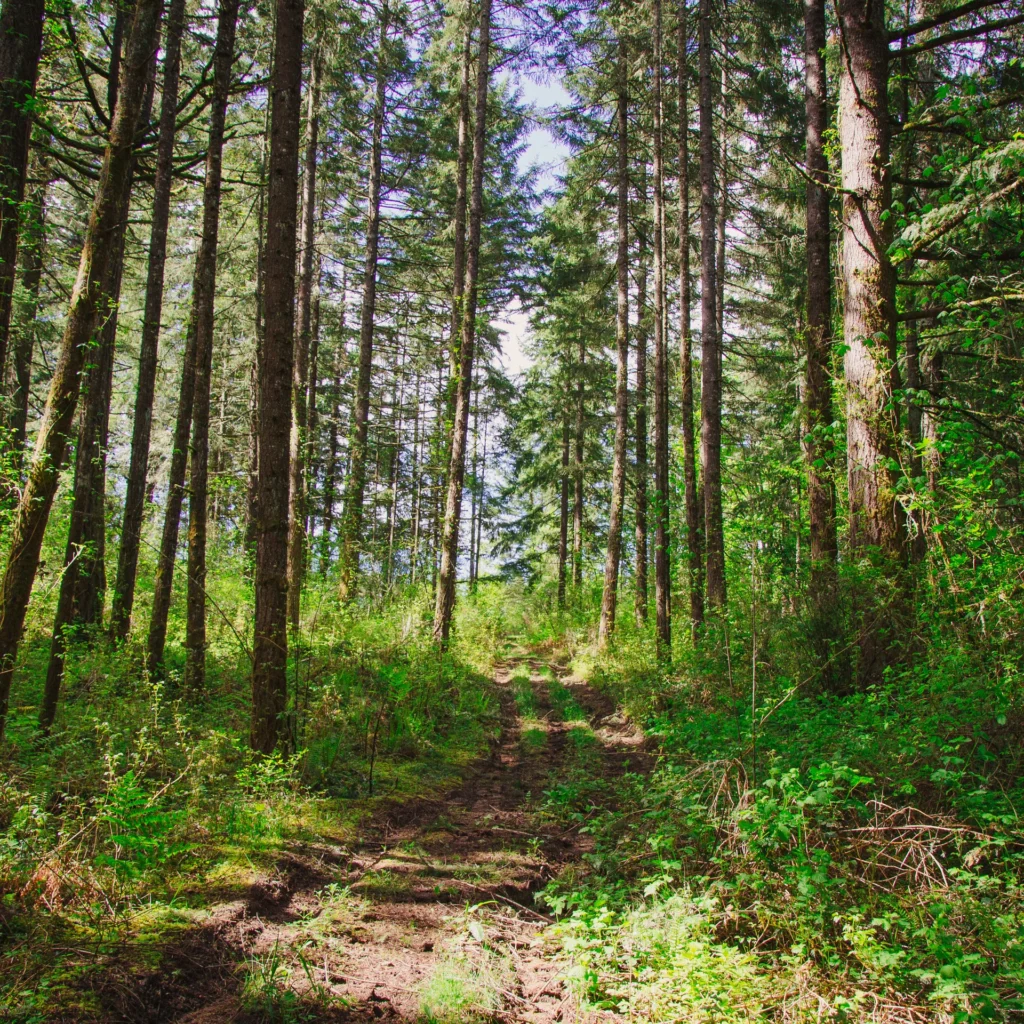
Have you ever had to deal with a situation where a leaning tree threatens your property on a New York City block? Urban tree removal in NYC is not only about chopping wood; it is a highly organized process in which licensed arborists, city permits, and specialized equipment play a major role in dense urban areas. Complexity is not calculated properly when property owners face issues such as limited access or nearby power lines. Knowing the precise schedule of a tree removal service will enable you to manage the inefficiencies of time, unforeseen expenses, and even accidents to safety, as well as make the project efficient throughout. Risk Evaluation and Detailed Site Inspection. An in-depth site inspection is part of the first stage of an undertaken project in professional tree removal. An NYC-certified arborist does a structural integrity assessment of the tree, which can reveal such problems as internal rot, root instability, or storm damage. In contrast to suburbs, the space to work in NYC properties is very limited, and this step is essential. A thorough inspection of the structures around, such as buildings, sidewalks, parked vehicles, and overhead utility lines, is done by the arborist. In most instances,s complex tools such as resistograph exercises or visual risk evaluation measures are employed to establish whether the tree is a threat or not. The safest removal plan is also established at this stage- sectional dismantling, removal employed with a crane, or controlled drop zones may be applied. Here, a definite scope of work is defined, and timeline and cost transparency are achieved. NYC Permit Processing and Compliance Navigating around local regulations is one of the most characteristic features of tree removal in NYC. The trees found on the public property or close to the property are oftentimes subject to a permit by the city authority. Special conditions can be imposed even in the case of personal property, particularly when the tree poses a threat to the sidewalks or general safety. An entire procedure for the permit for tree removal is completed by professional contractors, who are responsible for the documentation, site plan, and specification of the reason for removing the tree. This process will require a couple of days or even a number of weeks, based on approval conditions. There is no compromise when it comes to compliance. Illegal removal may attract substantial fines and legal issues. Established businesses consider this step as the initial one to prevent wasting time on a project and have everything within the city limits. Strategic Planning and Equipment Setup After the approvals are achieved, the next thing is the execution of the plan. This stage entails drawing a map that has an exact removal plan based on the urban limitations of NYC. They are seldom felled in one piece, unlike open spaces. Rather, sectional tree removal methods shall be used to have complete dismantling. Special machines like cranes, rigging, chainsaws, and wood chippers are to be arranged according to the size of the tree and its place. Crew coordination was also completed, placing assignments to the climbers, ground workers, and the safety supervisors. The location is then prepared with the provision of protective barriers, pedestrian areas, and as little inconvenience as possible to the surrounding properties. This degree of planning makes the process of removal efficient and safe. Controlled Tree Removal Execution The cutting and removal of the trees is where the real expertise is taken into account. This stage requires accuracy in NYC because of the lack of space and the threat of environmental disruptions at all times. The tree is scaled up by professionally trained climbers with the help of harness systems, with the climbers taking off branches and hauling them down with the help of ropes. In the case of big or dangerous trees, the crane-assisted tree removal is commonly applied. One part is lifted and safely brought to the ground without damaging the buildings around it. This technique is particularly predominant in overcrowded areas of neighborhoods where space is highly constrained. There are safety measures that are observed closely. The crews are equipped with protective equipment, and communication is done throughout to coordinate the cuts and movements. This process may last hours or even a whole da , depending on the complexity. Debris Management and Site Cleanup Once the tree has been removed completely, the next target is the removal of debris and the cleanup of the site. In NYC, there is no way to leave rubbish on the ground because of the high sanitary norms and the lack of space. The branches are introduced into wood chippers, and the large logs are cut into small pieces that can be removed. The staff makes sure that all the ground surfaces (sidewalks and driveways) and other surrounding areas are free of debris. Cleaning is also one of the characteristics of a professional service since it provides the possibility to restore the usability of the property once the procedure of removal is finished. Stump Grinding and Root Management. It is not just the job of removing the tree; the rest of the stump may cause both aesthetic and utilitarian problems. Stump grinding services in NYC can generally be suggested to remove the remaining base. The stump is cut with high-power grinding machines to less than ground level, which does not allow the stump to grow back, and also removes the danger of tripping. This is particularly critical in city areas where space is a luxury and future landscapes can be developed. Final Inspection and Property Restoration The final phase ensures the project conforms to professional standards. An inspection is made to ensure all the parts of the service of tree harvesting are done safely and efficiently. Any wood chips or debris that were left are cleared, and the ground is leveled off in case stump grinding was carried out. The contractors can also give suggestions on what to do with the trees around them, either to plant them again or to keep
Manhattan vs. Bronx: How Tree Care Needs Differ Across NYC Boroughs
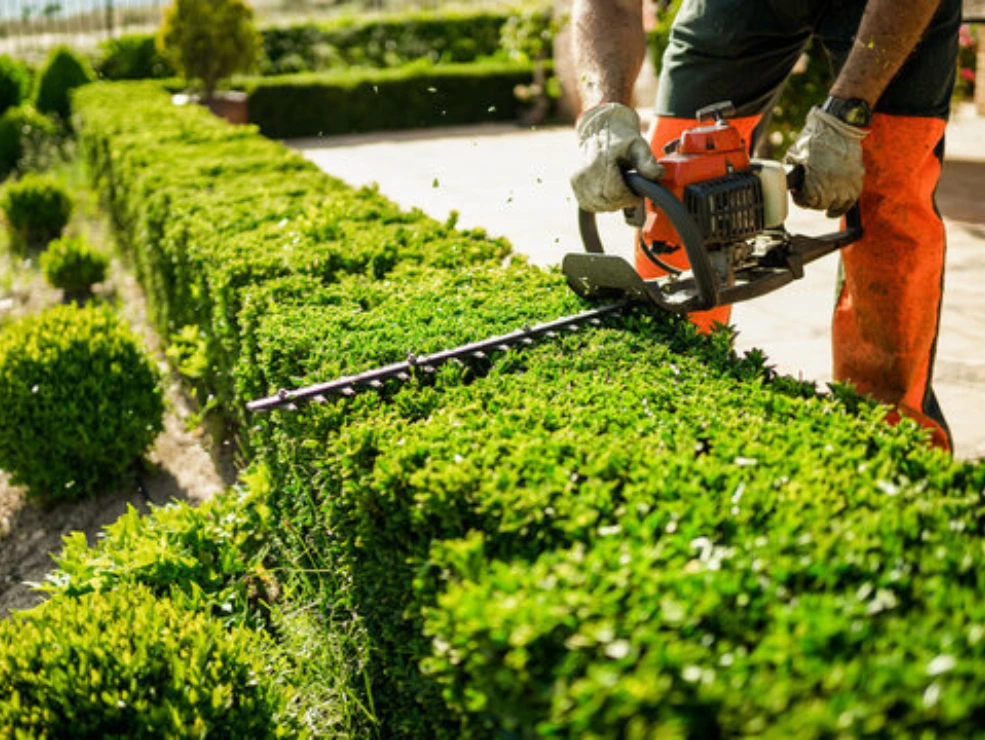
Have you ever looked at a tree on a Manhattan sidewalk and then driven through the Bronx and noticed how completely different the trees look? Same city, same borough system, same Parks Department, but the trees, the soil, the risks, and the rules are worlds apart. If you own property in either borough, this matters more than you might think. The wrong tree care approach in the wrong borough can mean dead trees, cracked sidewalks, hefty fines, or serious storm damage. Here’s what actually makes Manhattan and Bronx tree care different and why it matters. Manhattan Trees Are Fighting to Survive Let’s not sugarcoat it – Manhattan is one of the toughest places on earth for a tree to grow. Most of the street trees planted here are scrunched into tiny tree pits – often just 4 by 6 feet of soil surrounded by concrete all the way around. And under that soil? Subway lines, steam pipes, and all those utility cables block roots from getting where they need to go. The most common trees you’ll see on Manhattan streets include: Honeylocusts Callery pears London plane trees Ginkgos These species were picked for a reason; they’re tough enough to handle the pressures of city living. But even so, they’re still struggling to make it. Here’s what Manhattan trees face that you probably dont know about: Crushed soil. The soil under Manhattan sidewalks is so packed down its basically suffocating. Tree roots cant get much of a breath, and that will quietly kill them from the bottom up. And the worst part is, its years before you even notice anything is wrong with the leaves or the branches. Winter salt problems. Every time winter rolls around, de-icing salt gets washed into tree pits and thats a real killer. It stops roots from getting water and before you know it , the leaves are scorching and the branches are dying back. And the weird thing is, there can be plenty of water in the ground, but that salt is still causing problems. Heatwaves Just walking down the street in Midtown on a sweltering summer day, the surface temperatures can be a 15 to 20 degree hit compared to anywhere else. And that is just one more thing thats putting the screws to trees that are already struggling because they cant get their roots down deep enough. Sidewalk issues. Because of all the pressure on their roots, they start pushing out against the concrete and before long you have cracked, uneven sidewalks and then the property owner gets hit with a DOT fine that they have to pay to fix Permits Matter a Lot in Manhattan You can’t just hire someone to trim a street tree in Manhattan. Any work on a publicly owned tree requires a tree work permit from NYC Parks. Getting caught doing unpermitted work, even basic pruning, can result in serious fines. Trees near Con Edison lines or MTA infrastructure add even more red tape. The Bronx Has More Trees and Bigger Challenges The Bronx is completely different. With over 23,000 acres of parkland, including Pelham Bay Park, the largest park in all of NYC, the Bronx has far more trees, much bigger trees, and a completely different set of problems to manage. The Big Issue: Old, Large Trees Manhattan mostly has younger, smaller street trees. The Bronx has massive, mature trees, some decades old, in residential yards, along parkways, and bordering properties. These trees look beautiful, but they come with serious risks: Weak branch unions that can split under wind or snow load Internal trunk decay that isn’t visible from the outside Root rot from poor drainage in lower-lying neighborhoods Dead wood in the upper canopy that can fall without warning Assessing these risks properly requires a qualified ISA Certified Arborist doing a formal tree risk assessment, not just a visual check from the street. Soil Conditions Vary Wildly Unlike Manhattan’s uniformly compacted sidewalk soil, the Bronx has very different ground conditions depending on the neighborhood: Riverdale and Fieldston sit on higher ground with glacial soil that drains poorly and has hard layers that block root growth Areas near the Bronx River have wet, waterlogged soil where root rot diseases spread easily South Bronx and Tremont have more disturbed urban soil similar to Manhattan’s conditions Invasive Species Are a Real Problem The Bronx has more green space, which unfortunately means more room for invasive trees to take over. The biggest offenders: Tree of heaven (Ailanthus altissima) spreads aggressively and releases chemicals into the soil that prevent other plants from growing Norway maple crowds out native trees and is extremely difficult to remove once established Spotted lanternfly now firmly present across the Bronx, attacking maples, birch, black walnut, and willow trees Managing these issues requires a completely different strategy than anything you’d use on a Manhattan street tree. The Permit Rules Are Different Too Both boroughs follow NYC Parks Department rules, but what comes up most often is different: Manhattan The Bronx Utility conflict permits Hazard tree removal permits Sidewalk repair coordination Wetland buffer compliance Structural soil systems Landmark tree designation (30″+ trunk) Conclusion Manhattan and the Bronx may look like one giant urban jungle side by side on a map, but for tree care, the two boroughs are as different as night and day. Manhattan calls for a kind of precision urban tree care that involves working around the bustling infrastructure, coping with the brunt of salt, heat, and coming to terms with a complicated set of permit rules. The Bronx, by contrast, needs mature tree risk management to combat invasive species as well as a real understanding of highly variable soil conditions. A one-size-fits-all approach just won’t cut it around these parts. If you’re in the market for a team that genuinely understands what makes the boroughs tick – inside and out – NYC Tree Pro has the local know-how, certified arborists, and all the necessary permit knowledge required to get the job done right.
Trees and NYC’s Million Trees Initiative: How Your Property Fits Into the City’s Green Future
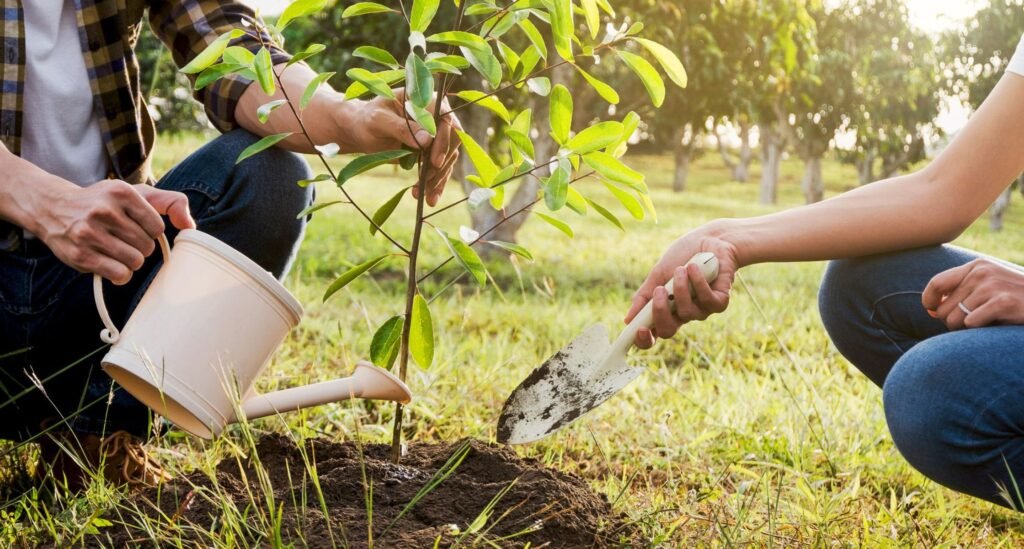
Did you realize that (in summer) some neighbourhoods in NYC are, on average, 7-10F hotter than others, simply because they do not have trees? This is not a theory; it is a factually documented urban heating issue that affects property values, energy bills, stormwater flooding, and even health. To address this, the City of New York initiated one of the most massive urban greening initiatives in the United States: the Million Trees Initiative. However, this is where most property owners fail to understand that your personal property is a key determinant of this initiative’s success or failure. This guide will demystify just how the Million Trees Initiative should operate, how it will impact homeowners, landlords, and commercial property owners and developers, and what exactly you can do to prepare your property to the green future of NYC, without any imprecise advice and empty platitudes. Understanding NYC’s Million Trees Initiative (Beyond the Headlines) The Million trees NYC Initiative does not seem to have been merely the case of planting trees to beautify the city, initiated by NYC Parks in association with the New York Restoration Project. The city possessed quantifiable objectives: Expand urban canopy areas, particularly in underserved areas. Minimize stormwater runoffs which overload sewer systems. Reduced low-surface and air temperatures in urban high-density areas. Clean the air by capturing the small particles. Increase climate resilience to severe weather. Though the city hit a goal of one million trees, the program was not discontinued. Trees perish, are cut down in the way of building, or are dangerous. Now NYC is all about canopy protection, planting, and engagement by individuals in the properties- they are where you come in. Why Private Properties Matter More Than Public Land The most important point that most of the owners overlook is that more than 60 percent of the land that can be planted in NYC is privately owned. The urban canopy cannot be nurtured and developed by the streets and parks only. The contribution of the private properties is: Trees in front yard and the backyard. Sidewalk-adjacent plantings Parking lot shade trees Corporate landscape buffers. Bases of multi-family housing. Residential (schools, hospitals and religious buildings) In the absence of the participation of the private property, the inequality of canopies intensifies, with some areas remaining green and other areas remain concrete-heavy heat islands. NYC Tree Canopy Gaps: How Location Impacts Your Responsibility There are inequalities in tree coverage across NYC’s neighborhoods. The South Bronx, East New York, Brownsville, and certain areas of Queens, particularly, have historically had lower canopy coverage. If your property is in a Priority Planting Area, the city: Engages in promotional campaigns to encourage tree planting on privately owned land Offers free or subsidized street tree plantings to property owners Encourages owners to preserve mature trees during renovations Pays particular attention to tree removal permits Within these zones, property owners bear both more opportunities and more responsibility. What the Million Trees Initiative Means for Homeowners If you own a single-family or small residential property, your role is more significant than you think. Yard Trees Are Not “Just Landscaping” A mature tree on your property can: Intercept thousands of gallons of rainwater annually Reduce cooling costs by up to 30% Increase property value by 5–15% Improve neighborhood air quality NYC recognizes this impact, which is why tree removal without permits can lead to serious fines—even on private land. Common Mistakes Homeowners Make Removing a tree, assuming private ownership, means no regulation Planting invasive or poorly suited species Ignoring sidewalk root conflicts until violations occur Over-pruning, which weakens the tree’s structure and violates city standards How Landlords and Multi-Family Property Owners Are Affected For landlords, trees are no longer optional amenities—they are risk and compliance assets. Trees and NYC Violations Improperly maintained trees can result in: DOB violations DOT sidewalk damage citations Tenant safety complaints Insurance liability exposure At the same time, well-managed trees: Reduce heat buildup in brick and concrete buildings Improve tenant retention Support sustainability ratings and certifications In many boroughs, tree canopy presence now correlates with rental desirability, especially during hotter months. Commercial Properties and the City’s Green Expectations Retail centers, office buildings, warehouses, and mixed-use developments face increasing pressure to support NYC’s environmental goals. Parking Lots and Heat Islands Large paved surfaces without shade contribute heavily to: Urban heat island effect Asphalt degradation Stormwater runoff surcharges Strategically placed trees can: Lower surface temperatures Extend pavement lifespan Reduce drainage system strain Developers are increasingly required to submit landscape and tree protection plans as part of project approvals. Tree Removal, Permits, and Legal Reality in NYC One of the most misunderstood aspects of NYC tree regulation is what you can and cannot remove. When a Permit Is Required You typically need approval if: The tree is street-adjacent The tree exceeds a certain caliper (trunk diameter) Removal impacts sidewalk infrastructure Construction affects a tree’s critical root zone Illegal removal can result in: Heavy fines Mandatory replacement planting Project delays Legal disputes with the city NYC tracks tree canopy loss carefully—ignorance is not a defense. Choosing the Right Trees for NYC Properties (Not All Trees Are Equal) It may cause more difficulties than benefits by planting the wrong tree. Species Selection Matters NYC encourages species that: Accept pollution and hard soil. Be well-developed branch architecture. Does the region have pests that are resistant or not? Match available root space Poor choices can lead to: Sidewalk upheaval Frequent limb failure Premature tree death Ongoing maintenance costs This is the reason why it is necessary to plan professionally rather than planting it yourself. One of the main reasons that trees are lost in NYC is construction. What the City Expects Root protection zones are clearly marked No heavy equipment over critical roots Soil compaction prevention Post-construction tree health monitoring Failure to protect existing trees can: Trigger stop-work orders Require costly mitigation Delay inspections and approvals The trees should not be treated as non-renewable barriers to be disposed of. Stormwater Management and Trees: The Overlooked Connection There
How NYC Construction Projects Damage Nearby Trees: Protection & Recovery Guide
In New York City, the majority of the damage to trees in relation to construction is not done during storms or heat waves but instead done very quietly, during authorized building work. When a sidewalk replacement, a foundation dig, or a utility trench is cut into the same thin layer of soil where urban tree roots are preserved, it is in the same shallow layer of soil. Months later, a healthy tree in the street starts failing, and the property owner has to contend with infractions, estoppel expenses, or liability issues. The trees in NYC are planted in highly constrained, stressed conditions, whereas all trees in the suburban or rural environments are much less susceptible to the damage associated with construction. This guide mentions exactly how construction harms the surrounding trees in NYC, what the initial warning signs should be observed, and what the preventative measures and recovery strategies really do in the urban environment. Why NYC trees are uniquely vulnerable during construction The trees in NYC already have to endure stress in the city. And add building, and the margin on survival is absolutely slender. Some of the NYC-specific vulnerabilities are: Poor access to root zones by sidewalks, curbs, basements, utilities, and vaults. The soils of the compacted cities are low in oxygen and poorly drained. Root system in street and yard trees. Regulatory issues between DOB permits, DOT sidewalks, and the trees of the Parks Department. Contrary to trees in a forest, NYC trees are supported by a small share of working soil. Even destroying 10-20% of the root system, and degradation may set in within weeks. The most common ways construction damages nearby trees 1. Root severing during excavation and trenching Root cutting is the most devastating and widespread problem of construction in NYC. During: Foundation excavation Utility trenching (gas, water, sewer, electric) Sidewalk replacement Drainage or waterproofing job. There is regular cutting of structural and feeder roots without evaluation. Why this is catastrophic in NYC: The majority of tree roots lie in the 12-24 inches of soil. Roots usually go 2-3 times the width of the canopy. Felling of large roots makes trees unstable and interferes with the uptake of water. The immediate and delayed effects are: Sudden leaf drop or scorch Reduced canopy density Leaning or instability Increased risk of windthrow Delayed death 6-36 months delayed. 2. Soil compaction from heavy equipment and staging A tree can die alone by being compacted by soil, even without the cutting of roots. Common NYC scenarios: Dumpsters are set on root zones. Excavators were parked under canopies. Staged pallets of brick, cement,nt or steel in front of trunks. Compaction reduces: Oxygen availability Water infiltration Microbial activity Regeneration and growth of roots. Roots can be forced into suffocation in already compacted soils in NYC during the construction compaction. Symptoms are frequent and tend to manifest slowly: Fewer and fewer leaves each year. Sparse canopy Chronic dieback Pathogens take advantage of root weakness. 3. Grade changes and soil level alterations After waterproofing the basement trunks, backfilling against the trunks. Even a 2-4 inch grade change can: Smother surface roots Alter the moisture balance Root flare triggers trunk rot. Trees are made to fit accurately to the soil-to-trunk relationship. Trunk and bark damage from equipment and materials The destruction of the bark is not a cosmetic one, but rather a vascular one. Typical NYC causes: Skid steer contact Scaffolding installation Against trunks, materials were bent. Trees tied with chains and cables. Bark injuries disrupt nutrient flow and provide access points to: Decay fungi Insect pests Bacterial infections 5. Chemical exposure and construction runoff Construction brings with it substances that are not geared towards trees. High-risk exposures include: Concrete washout (highly alkaline) Mortar dust Fuel and hydraulic leaks Salt is used to de-ice prematurely. Even concrete runoff has the potential of increasing the soil pH to levels that cannot sustain life, thus sterilizing the root zone. NYC regulations most contractors ignore—but trees pay for Most property owners believe that the protection of trees is optional. In NYC, it is not. Key regulatory realities: The NYC Parks owns and controls street trees. Many of the permitted projects need Tree Protection Plans (TPP). Deforestation of safeguarded trees may lead to fines, stop-work orders, and required replacement. Nevertheless, enforcement is usually done when the damage is visible, and not when it might have been avoided. Early warning signs that your tree is being damaged by construction Watch these NYC red flags: Leaves are drying even with frequent watering. Abrupt weakness on the construction side. The appearance of cracks in the soil near the trunk. New lean after excavation Mushrooms in the base, or fungus. How to protect trees before construction starts Root zone mapping and exclusion areas Before any digging: Determine the Critical Root Zone (CRZ). Mark no-dig and no-storage boundaries. Where feasible, reposition foundation lines and trench paths. Effective fencing of trees (not orange cones). Effective fencing must: Be rigid and immovable Where possible, enclose the whole CRZ. Eliminate foot and equipment traffic. Air excavation instead of mechanical digging Where roots are present: In air spading, roots are not cut off. Enables routing of utilities around critical roots. Stabilizes stability and uptake capacity. Load distribution and soil protection systems. When access is unavoidable: Use ground protection mats Distribution of loads on a broader scale. Block pressure at root zones. Recovery options when damage has already occurred Not every damage caused by the construction can be fatal when dealt with in time and properly. Root zone remediation Includes: Excavation of the air to determine the damage. Selective root pruning Soil decompaction Organic modifications to NYC soils. Stability and stress-reduction pruning Structural pruning. When roots are lost: Lessen canopy load strategically. Enhance body weight distribution. Lower wind resistance It is not cosmetic pruning; it is risk management. Correction of soil chemistry and drainage. The soils that are built after construction are usually: Over-alkaline Compacted Hydrophobic Ongoing monitoring and risk assessment Damaged trees require: Seasonal evaluations Stability monitoring
Tree Emergencies in NYC High-Rise Buildings: Rooftop & Terrace Tree Care Challenges
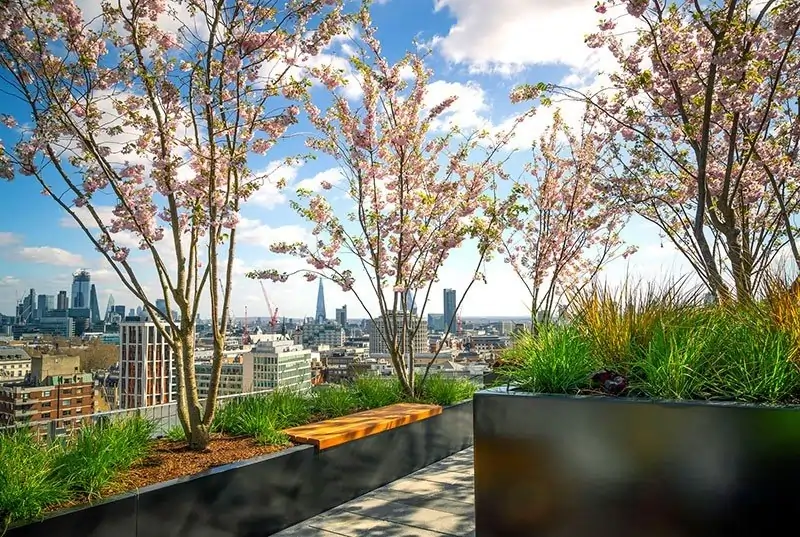
What actually happens if the 2,000-pound rooftop tree starts leaning toward a glass facade during a wind gust of 50 mph in Manhattan? This is not a hypothetical in New York City; it is an actual emergency that the managers of buildings, co-op boards, and even luxury condo inhabitants have to contend with more frequently than most people would guess. The emergence of trees in high-rise buildings in NYC is a particularly complex issue due to its characteristic combination of urban forestry and structural engineering, wind dynamics, and life-safety hazards into a single and extremely constrained space. Rooftop and terrace tree emergencies have no root errors as opposed to ground-level issues with trees. A single broken planter wall, failed root an, chor or water-soaked soil bed may worsen into falling debris, water penetration, or facade damage within a few minutes. The following experience-based breakdown of what renders these emergencies so difficult is provided below. The Rise of Rooftop & Terrace Trees in NYC In the past twenty years, the NYC high-rise developments have adopted green infrastructure. Now available in luxury condo towers, mixed-use towers, hotels, and corporate buildings: Mature tree rooftop gardens. Ornamental and shade trees on the terrace level. Stormwater systems incorporated with green roofs. Tree installations on the top of structural slabs with planting. Although they are visually impressive, such installations put trees in man-made environments where they were not meant to be part of the trees’ development. Contrary to the prevalent trees in streets with large volumes of soil and natural anchoring, the rooftop trees have limited containers,d shallow substrates, and harsh microclimates. The failure of these systems leads to a tree crisis rather than a landscaping problem. Why Tree Emergencies in High-Rise Buildings Are Uniquely Dangerous The risk of a falling branch at the street level is a danger. A collapsing tree is 40 stories high, and it is a potential disaster. The emergencies on rooftops and terrace trees include: Extreme fall distances Space directly below is occupied. Glass walls and curtain walls. Mechanical penthouses and heating, ventilation, and air conditioning. Roof assemblies and waterproofing membranes Environmental Forces That Accelerate Tree Failure at Elevation 1. Wind Load Amplification The skyline of NYC causes wind tunnel effects, which make the wind speed extremely high on heights. Rooftop trees are exposed to: Sustained high winds Sudden gusts Rotational shear forces Apply upward force on root systems. The rooftop trees, unlike the ground trees, which move about and also dissipate force by their deep root,s transfer wind stress directly to containers, soil mass, and structural anchors. 2. Limited Root Expansion & Artificial Soil Systems The trees that are planted on the rooftops normally thrive in man-made soil blends that are meant to minimise weight. Although structurally required, such soils: Drain faster Retain less organic matter Provide reduced anchorage Compact over time Once the roots attack the container walls, they start circling and girdling to make the long-term stability weaker. Healthy root systems on the surface could be weakened internally. 3. Thermal Stress from Urban Heat & Building Materials The heat is emitted by concrete, steel, teel, and glass. Rooftop environments are subjected to: Increased daytime temperatures. Rapid nighttime cooling Increased evapotranspiration Root zone variation of temperature. This causes chronic stress, slowness in root development, and vulnerability to storm failures. 4. Drainage Failures & Root Rot Drainage is one of the most frequent underground reasons for rooftop tree emergencies. Blocked downpipe or broken waterproof coating results in: Water-logged root zones Anaerobic soil conditions Fungal root decay Sudden loss of anchorage Structural root failure may be well developed even before the symptoms are manifested on the surface. Common Emergency Scenarios in NYC High-Rise Tree Care Leaning or Shifting Trees After Storms Arborists are often requested following nor’easters, tropical storms, or extreme thunderstorms: Leaning trees on rooflines. Shifting or cracks on containers. Root plates that drifted off the soil mass. It is an actual crisis that needs to be stabilized or eliminated. Cracked Trunks & Structural Splits Freeze-thaw, wind torque may result in: Vertical trunk splits Branch union compression cracks. Hidden internal decay These defects are uncompromising safety hazards at height. Hanging or Suspended Branches Over Occupied Areas Fractured bones trapped in the tree are threatening to: Residents using terraces Maintenance staff Windows and balconies below These should not be cut off but removed with precision rigging. Why Standard Tree Services Are Not Qualified for Rooftop Emergencies The majority of tree companies are prepared to do ground removals. Emergencies on rooftops need: High-tech rope access methods. Zero-drop dismantling Rigging systems are calculated with loads. The structural sensitivity of buildings. Working experience in occupied work areas. The Emergency Response Process for Rooftop Trees Step 1: Immediate Risk Assessment An arborist examines: Tree biomechanics Root stability Container integrity Wind exposure Access limitations All decisions are risk mitigating and not convenient. Step 2: Stabilisation or Manageable Removal. The response can include: Temporary anchoring systems. Canopy weight reduction Sectional dismantling Full emergency removal Step 3: Rigging and Debris. In high-rise environments: Debris cannot be dropped Strict weight limits of elevators. Noise and vibration should be regulated. The waterproof barrier should be safeguarded. This necessitates veteran crews that are specially trained to perform high-quality work. Preservation of Trees vs Emergency Removal: Making the Right Decision. Not all emergencies end in elimination. Arborists can recommend in some situations: Cabling and bracing systems Root anchoring retrofits Container reinforcement Specific structural pruning. Nevertheless, saving a tree that poses an immediate threat is no longer ethical and protective. Legal & Liability Implications for NYC Property Owners In New York City: The property owners are under a duty of care. Hazards that are documented should be addressed. This reduces liability by responding slowly. The claims can be rejected by insurance carriers as a result of negligence. The cases of the three emergencies are not mere cases of maintenance only. Preventative Rooftop Tree Care: Avoiding Emergencies Before They Happen The majority of rooftop emergencies can be avoided by: Yearly arborist examinations. Wind-load
5 Red Flags Your Tree Needs Immediate Attention

Trees are a very valuable part of any home, yard, or commercial property. They not only provide shade and beauty but also play an important role in cleaning the air, controlling temperature, and improving the overall environment. Still, many people believe that no action is required until a tree completely dries out or is close to falling. The reality is that trees regularly communicate their condition silently. If we pay a little attention, we can notice certain signs that suggest a tree needs quick care. Ignoring these red flags can be dangerous not only for the tree but also for your home, family, and property. Deep Cracks in the Trunk or Branches: If you notice deep cracks or splits in a tree’s trunk, it is a serious warning sign. The trunk is the backbone of a tree, and when structural weakness develops, the entire tree can become unstable. These cracks commonly form due to storms, strong winds, heavy rain, or internal collapse. Sometimes the cracks seem small on the surface, but inside the wood may already be completely hollow. Such a tree can break or fall at any time, especially during heavy winds. If you see these cracks in a tree near your yard or driveway, it is a clear signal that a skilled survey is needed. Sudden Change in Leaf Color or Excessive Leaf Drop: A tree shows its health most clearly in its leaves. If you notice leaves turning yellow, brown, or drooping out of season, or if they start falling too much all at once, this is not a normal seasonal change. Many people believe it is due to the weather, but in many cases, it shows disease, insect damage, or root damage. When a tree’s roots cannot properly absorb water or nutrients, the first visible effect shows on the leaves. If this issue is not treated on time, the tree slowly becomes weaker, making it very difficult to save it later. Branches Drying Out or Breaking Without Reason: Healthy tree branches are strong and flexible. If you see branches drying out, remaining without leaves, or breaking and falling even in light winds, this is a serious red flag. Such branches not only show poor tree health but also create a major safety risk. Imagine the damage if these branches fall on a child, a car, or your home. Many people simply remove the fallen branch and ignore the real problem, while in reality, it is commonly the result of inner collapse or disease affecting the whole tree. Tree Leaning to One Side or Soil Lifting: If a tree suddenly starts leaning to one side, especially if it was already straight, this is a very alarming sign. It commonly means the roots are losing their grip or there is a serious issue under the soil. Sometimes, slight lifting of the ground or visible cracks in the soil are also signs of root failure. Such trees can fall at any moment, especially during storms. This problem is commonly caused by poor drainage, construction damage, or fungal infection. In these cases, delaying action can be very dangerous. Too Much Presence of Fungus, Mushrooms, or Insects: If you notice mushrooms, fungus, or uncommon growth near the base of a tree, it should never be ignored. This is commonly a sign that the tree is rotting from the inside. Fungus and mushrooms commonly grow on dead or decaying wood, which proves that the internal structure of the tree has already weakened. Equally, if you see insects, bugs, or other pests coming out from under the peel, it is another serious warning sign for tree health. These insects commonly attack trees that are already weak or diseased. Importance of an Expert Gardener: When you notice any of these red flags, the safest and best choice is to contact an expert gardener. A gardener not only checks the overall condition of the tree but also determines whether it needs trimming, treatment, or complete removal. Many problems can be fixed easily if addressed early, but if ignored, they can lead to high costs and danger later. An expert survey also provides you with complete peace of mind, knowing that both your tree and your property are safe. Too Much Bark Peeling or Bark Missing in Certain Areas: If you notice that a tree’s bark is peeling unreasonably, cracking, or completely missing in some areas, it is a serious sign of poor tree health. Bark acts as a protective layer for the tree, and when this layer is damaged, the inner part becomes exposed to insects, disease, and harsh weather conditions. This problem is commonly caused by pests, fungal infections, or injuries from lawn equipment or construction work. If not treated on time, the tree commonly becomes weaker, increasing the danger of inner collapse. Reduced Growth and a Lifeless Overall Appearance: If, during the growing season, a tree shows very little new growth or shows dull, weak, and lifeless, it commonly suggests a serious inner issue. Smaller leaves, thin leaves, and weak-looking branches commonly show that the tree is not receiving enough water or nutrients. This can be caused by root problems, overly firm soil or an underlying disease. When addressed early, these issues can commonly be managed, helping restore the tree’s health and preventing major damage. Conclusion: Trees are living beings, and just like humans, they can become weak or ill over time. The real problem comes when we ignore their warning signs instead of understanding them. Deep cracks, changes in leaf color, breaking branches, leaning tree, and the presence of fungus or insects are all red flags that show a tree requires quick attention. Taking timely action not only helps save the tree’s life but also protects your home, family, and investment. If you want to keep your trees healthy and strong, taking these warning signs seriously and seeking skilled help is very important.
Summer Tree Care Tips to Keep Your Trees Thriving
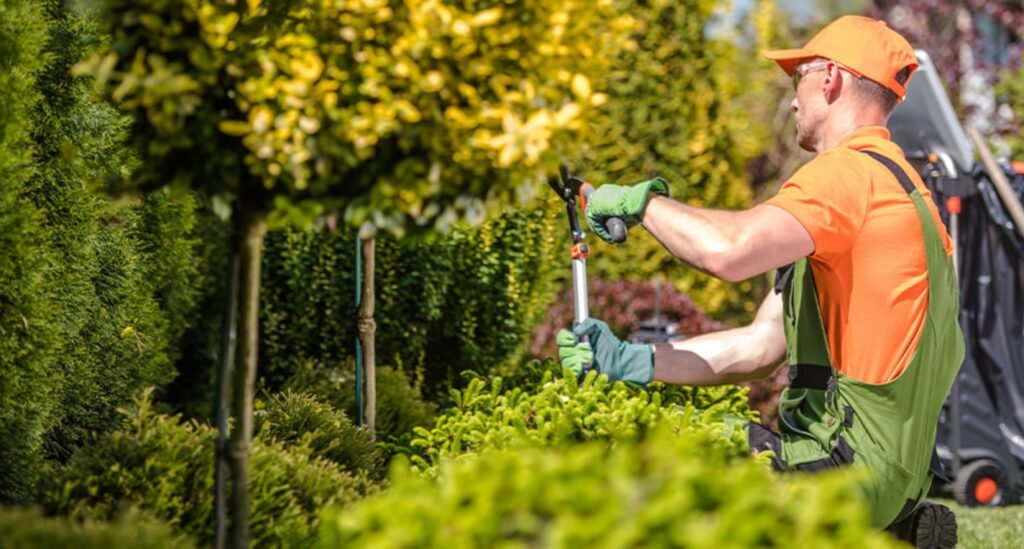
Wonder why some trees are green in August, while others look tired as early as June? The difference is usually not due to luck. Rather, it is the choices done in the spring and early summer that seem to be unacknowledged. If you have ever thought about how to prepare trees to withstand heat waves, dry periods, and torrential downpours, you are in the right place. Below is your summer tree care guide that focuses on sustained growth. Things are not that complicated if you work strategically. Water Deeply, Not Daily Successes during summer begin below the surface. Deep watering encourages roots to extend deeper into the soil where the temperature and moisture level is more stable. Instead of quick surface sprinklings, water the soil more slowly during 30-60 minutes using a soaker hose or gator bags positioned along the drip line (the circle area beneath the outer canopy). This should be 1-2 inches of water to be received weekly, including rain. This reduces drought stress and leaf scorch, and it prevents weak, shallow roots. Mulch to Regulate Soil Temperature and Moisture An adequately done mulch ring serves as an air conditioner to your tree during the summer. From a few inches off the trunk to just beyond the drip line, spread a mulch layer (shredded bark, wood chips, or leaf mold) to a depth of 2–3 inches. By lowering the temperature, minimizing evaporation, and improving soil structure as it breaks down, mulch serves the purpose of moderating temperature swings and improving soil structure. The worst scenario, the dreaded mulch volcano of the trunk, gets moisture trapped and rots, and the decomposition serves as a buffet for pests. Prune With Purpose (and Restraint) Although winter is the ideal time for the hardest cuts, light structural pruning during the summer can improve light penetration, remove deadwood, and reduce wind resistance. Crossing branches, suckers, and energy-draining water sprouts are ideal targets. Concentrate on cuts with a diameter of less than 1 inch, and use sharp tools to do the cuts to reduce unnecessary stress. For mature trees or those with defects, consider cabling and bracing an ISA Certified Arborist can assess whether support systems will improve stability before storm season. Feed the Soil, Not Just the Tree A properly functioning food-web system will always result in tree abundance. In the case of over-fertilization, especially with quick-release nitrogen sources, growth may occur too quickly and become unfettered, opening the door for myriad pest problems. Stop and consider the more sophisticated approach of adding compost, slow-release fertilizers and grazing animals, and stimulating mycorrhizal associations that help roots reach for scarce water and nutrients. Better soil means increased uptake and stronger defenses, as well as better resistance during the summer. Scout Pests and Diseases Weekly Hot, humid weather is a playground for troublemakers. Once a week, spend five minutes on a canopy scan; look for chewing damage, sticky honeydew, wispy webbing and patches, or discolouration. Typical summer problems are aphids, the scale insect, borers, spider mites, powdery mildew, and the leaf spot. Detection is key. Use integrated pest management; IPM by encouraging beneficial insects and washing small infestations off with water, and treat conservatively, escalating only when the situation calls for it. For borers and systemic problems, damage burns structural, consult a professional for systemic concerns. Protect Young and Newly Planted Trees The first three years are important because young trees haven’t anchored deep roots which makes it easier for them to lose moisture. For protection, ‘stake’ trees replacing the stakes after the first year. Water regularly, and establish a 3ft mulch ring to keep weeds down for competition minimisation. Consider temporary shade cloth during extreme heat waves for thin-barked species to prevent sunscald. Avoid weed trimmers near trunks—mechanical injury invites decay and disease. A simple plastic trunk guard can save a tree’s life. Manage Soil Compaction and Oxygen Flow Soil compaction makes it very difficult for roots to absorb oxygen and water. Summer gatherings, heavy pots, and mowers can also compress the root zone, particularly on lawns that grow over roots. In all cases, foot traffic and equipment should be excluded aside from the drip line. If your site is already compacted, vertical mulching or air spading (better left to a professional) can open channels for air and water. Even a low-tech approach, such as top-dressing with compost and mulch, can improve pore space and soil moisture retention. Storm-Readiness: Reduce Risk Before the Wind Blows More extensive damage can be brought on by sudden summer storms, or high winds. Identify weaknesses by inspecting the trees for branches with bark inclusions, for dying or detached limbs, or decaying pockets. Repair your trees before the winds pick up. Gently trimming the outer branches can ‘lightly prune’ the limbs without ‘lion-tailing’ to reduce the chances of damage by the wind. Power lines, buildings and other structures can also be negatively affected, so make sure you consult the professionals. This will save you money from potential damage to the trees. A Simple, Sustainable Summer Routine If you want a minimalist checklist that still moves the needle, try this rhythm: Weekly: five-minute pest and canopy scan. Biweekly: deep watering if rainfall is short. Monthly: quick mulch check, light touch-up pruning (only if needed). Mid-summer: soil moisture and compaction review; adjust irrigation. Before storms: remove obvious hazards. Conclusion Effective tree summer care isn’t a matter of doing everything but rather doing the right things constantly: irrigate to the depth of the roots, place mulch accurately, prune with purpose, conduct soil nurturing, and monitor the trees for signs of trouble as early as possible. When you do the right things for a tree: match species to site, thermally insulate, compact the soil, brace for a storm, and avoid a storm, the tree pays you back for decades with shade, beauty, and increased property value. And if you’d like to have an adept professional scrutinize your canopy or assist you in formulating a precise, efficient, and sustainable plan, contact NYC Tree
Do You Need a Permit to Remove a Tree?
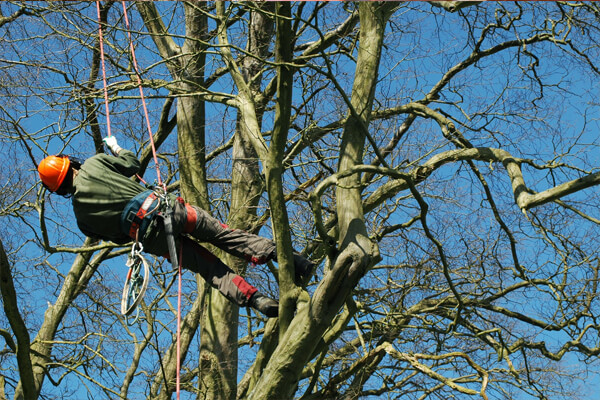
Do You Need a Permit to Remove a Tree Ever had a neighbor whisper, “You can’t cut that tree without a permit”? You might shrug it off. Thinking it is your property and your rules. But hold that chainsaw. Cities across the country enforce strict tree ordinances. This can bring fines and legal headaches. You could have to force tree replacements if you go rogue. Whether you are planning to build something or simply want to clear your lot, you can’t just ignore tree removal laws. You have to understand the permit process and see how it differs from city to city. This guide is designed to save you serious trouble down the line by helping you master the basics. Why Cities Regulate Tree Removal You may be wondering why a city would care if you remove a tree from your own area. Turns out, urban trees aren’t just decorative. They are considered part of the urban forest. Trees absorb carbon dioxide and cool neighborhoods. They reduce stormwater runoff and boost up property values. That is why many local governments have stepped in with tree protection ordinances. Especially for heritage trees those in environmentally sensitive areas. Cutting without permission can be considered illegal. When a Permit is Usually Required City laws vary. But to give you a general idea, Size matters: If the tree has a trunk diameter above 6 inches. Species counts: Some trees are protected due to their ecological value. Invasive species? Chop away. Native oaks? Need only city approval. Location: Trees growing on public right-of-way (like sidewalks), in conservation zones, or on multi-family lots. Health of the tree: Dying or dead trees need no permit most of the time. But still an arborist evaluation is necessary to prove its health. Construction-related removal: If you are planning to remove trees for a building or driveway project. Tree Ordinance Snapshot: New York City Lets zoom in on New York City. It is one of the most regulated places when it comes to tree removal. Street trees belong to the city, not the homeowner. You need a permit from the Parks Department before doing any trimming or removal. Trees on private property? If it is not interfering with city property or construction, you may not need a permit. But if the tree is near a public right-of-way or landmark property, expect to file paperwork. Penalties for illegal removal can cost thousands of dollars. It mainly depends on the size and location of the tree. Los Angeles: Coastal Tree Rules and Native Plant Protection In Los Angeles, you will run into a web of regulations. Particularly where the coastal zone is concerned, or if the property contains any protected species such as black walnut (southern California) or coast live oak. The Protected Tree Ordinance identifies any native species whose trunk measures inches in diameter or greater. In such cases, a Tree Report prepared by a licensed arborist and approval from planning or public works is required. Excessive pruning is also considered a violation unless it has been approved. Atlanta: Capital With Stringent Policies Atlanta is known for its lush canopy. But it has one of the strictest tree protection laws in the country. Any hardwood or pine tree on private property with a diameter of 6+ inches requires a tree removal permit. Property owners must submit a site plan and an arborist report. They must pay a recompense fee into the city’s Tree Trust Fund. Don’t expect to get around it with DIY removal. Contractors are required to show proof of permits before work begins. San Francisco: Classifying Heritage Trees In San Francisco, there is a particular emphasis on heritage trees. Those that have historical or ecological significance. Heritage trees exist on public or private property. The city maintains a registry. So, you can’t remove these trees without a hearing and approval. For regular trees, permits are still often required. Especially if they are over 24 inches in circumference and visible from public spaces. The Department of Public Works handles most of the applications. Any removal without approval can cost you thousands in fines. Houston: Looser Laws, But Not a Free Pass Houston takes a more hands-off approach in comparison to others, but not entirely. There is no citywide tree removal permit for private property. Unless you are in a protected zone like a Scenic Corridor or Planned Development District. Trees on commercial sites or multi-family properties require clearance from the Planning Department most often During development, Tree Preservation Plans are expected. So, some trees above a certain diameter may need to be preserved or replaced. Miami: Protected Tree List and Hurricane Risk Miami has a subtropical climate and storm risks. Its tree ordinances strike a balance between safety and preservation. The city maintains a Protected Tree List. This includes native species like gumbo limbo and certain palms. Removal requires a permit from Department of Environmental Resources Management (DERM). If the tree is within a Hurricane Protection Zone, you need additional evaluation. How to Navigate Your Local Tree Ordinance The process usually looks something like this: Research: Look up your city or county’s official website. Measure and ID: Measure your tree’s diameter at breast height (DBH). Also, identify what kind of species you have. Call: Reach out to the local planning or parks department and check whether you need a permit. Check in with Arborist: Many cities require a report from a certified arborist before issuing a permit. Submit the Application: This may include a fee, any site plans and also a photographic documentation. Wait for Approval: Don’t start work else you will be fined. When a Permit Might Not Be Needed: Dead tree or poses immediate danger An invasive species In a jurisdiction with minimal regulation. But do check with HOAs or local codes. Conclusion Tree removal isn’t just a landscaping decision. It is a legal one. With varying rules from coast to coast, what flies in Phoenix might get you fined in Philly. The safest bet? Know your
Permits & Local Tree Ordinances Explained: What Homeowners Must Know Before Cutting
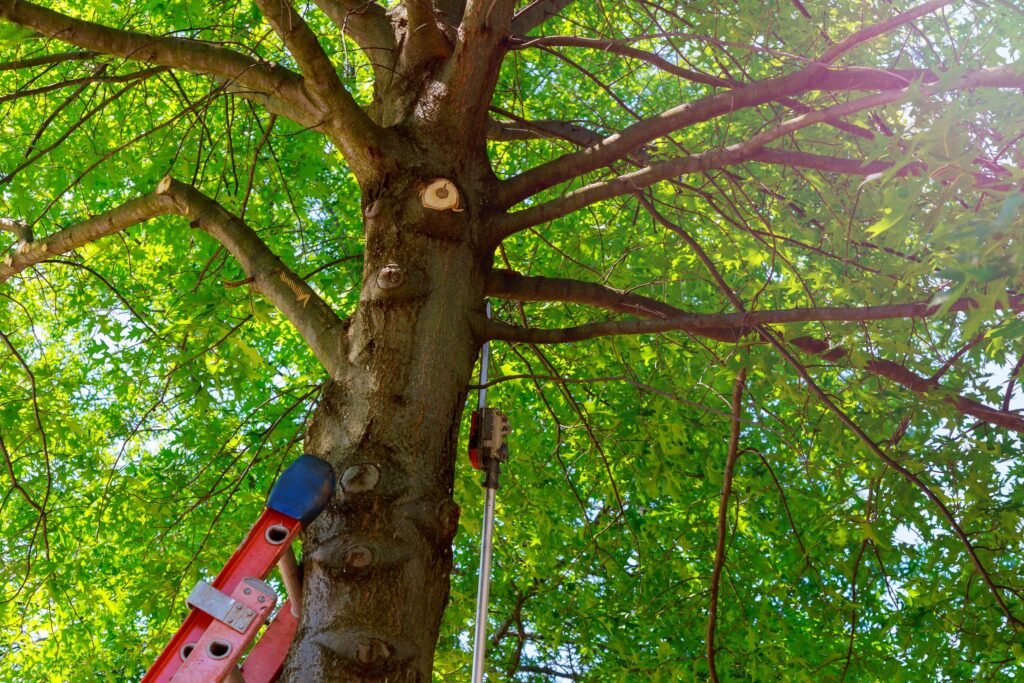
Permits & Local Tree Ordinances Explained: What Homeowners Must Know Before Cutting Are you allowed to cut that tree legally today? Urban greenery is a shared asset. It is not just a backyard element. Whether you have a massive oak tree shading your driveway or leaning maple trees, the desire to remove or trim a tree often comes with more than just a chainsaw. Before you take any action, you must understand. This guide is all about that. We will help you understand some local tree cutting regulations and municipal ordinances to remove your trees safely and prevent legal trouble. Else even one wrong move will cost you thousands. Understanding Tree Protection Laws Many cities, especially urban hubs like New York, have tree preservation ordinances. These laws help to: Maintain urban canopy cover Protect native and heritage tree species Promote environmental sustainability Prevent haphazard or dangerous removal practices What Qualifies as a “Protected Tree”? Before applying for any removal permit, determine if your tree is considered “protected”. You can check this under your local code. In most of the areas, the following trees may fall under protection: Street trees Landmark or heritage trees Trees over a particular DBH (Diameter at Breast Height) Trees in conservation zones Trees part of a reforestation or zoning plan Do You Need a Tree Removal Permit? You need a tree removal permit if your tree falls into a protected class. Regular requirements include: An arborist’s report confirms the tree’s health. You need proof that the tree has a disease, will die, or has a weak structure. You must explain the safety risks or property damage. You must submit plans to replace the tree canopy. Some trees on the street require permits even for trimming. Removing a Tree Without a Permit Unauthorized tree removal can lead to serious consequences. Don’t think you own the tree if it is on your property. Else: You can get fined ranging from $500 to $10,000+ ( depends on the area) Mandated replanting or paying into a city tree fund Stop-work orders on construction or landscaping projects Legal liability if the removal damages neighboring property or city infrastructure You could even be charged with a misdemeanor offense where protected trees are removed intentionally. Tree Ordinances by Location Every area has its own set of tree laws. For example: In New York City, only a licensed contractor can trim or remove street trees. In Los Angeles, the Protected Tree Ordinance prohibits cutting native species. For example, coast live oaks or sycamores without a permit. In Atlanta, trees on private property over a certain size need a pre-removal inspection before they get removed. Approval from the City Arborist Division is also required. Different zoning codes or historic districts might impose additional restrictions. Tip: Always check your local city or county website. Look for sections labeled “urban forestry,” “tree preservation ordinance,” or “code enforcement.” Emergency Situations: Cut Without Approval? What if a storm just knocked a tree onto your power line or car? Allowed to act immediately? In most areas, emergency tree removal is allowed without a prior permit if the tree: Is actively endangering life or property Has already fallen due to natural causes Blocks emergency access or the public right of way However, you are still required to document the damage through photos and videos. Afterwards, submit a retroactive report or permit application. Hiring a Licensed Tree Contractor Even if your tree doesn’t require a permit, your contractor might. Cities often require tree cutting to be performed by licensed and insured professionals. Because improper removal can cause: Injury to workers or bystanders Damage to structures Soil erosion or stormwater runoff issues Spread of tree disease to other healthy trees A good contractor will: Understand local tree code Help with permit applications and city communication Offer a written estimate and scope of work Use proper tree-cutting equipment and safety procedures Make sure the team you are hiring is licensed and certified. Tree Trimming Rules Many homeowners think trimming is less regulated than removal. But that is not always true as excessive trimming can lead to a process called topping. This weakens the tree. Some cities even ban over-pruning more than 25% of the crown at one time. Trimming rules often apply to: Street trees maintained by the city Trees in front yards facing public sidewalks Shared property lines, where neighbor permission may be required Trees and Neighbor Disputes: Who Has the Right? Trees growing along fences or near property lines often become a source of tension. You can generally trim branches that overhang your property but not your neighbor’s side without consent. Tree fell and caused damage? Liability depends on whether it was a healthy or neglected tree. Disputes can escalate. Always communicate early and mediate. You can also hire an ISA-certified arborist to settle arguments with a professional opinion on the tree’s health and its needs. Replanting Requirements: It’s Not Just About Cutting Many municipalities require you to replant a tree if you remove one. Replacement rules vary but may include: Plant like-for-like species Plant multiple smaller trees to replace one large one Contribute to a reforestation or green space fund Install a tree within a certain time frame (usually 30–90 days) Ignoring replanting can void your permit or lead to fines. Prepare for Permit Approval Before applying for a removal or trimming permit, gather: Property survey showing tree location Photos and measurements of the tree Written report from a certified arborist Justification letter explaining safety risks or structural concerns Replanting plan, if required by code When in Doubt, Consult an Expert If you are not sure, get professional help. An expert can: Navigate permit paperwork Evaluate tree health and safety Guide you on code-compliant trimming or removal Prevent costly legal mistakes Final thoughts Tree removal and trimming may seem like straightforward tasks. However, in today’s regulatory environment, they are anything but simple. By understanding your area’s tree protection law and hiring qualified help, you can stay on the right side