How Trees Combat Air Pollution
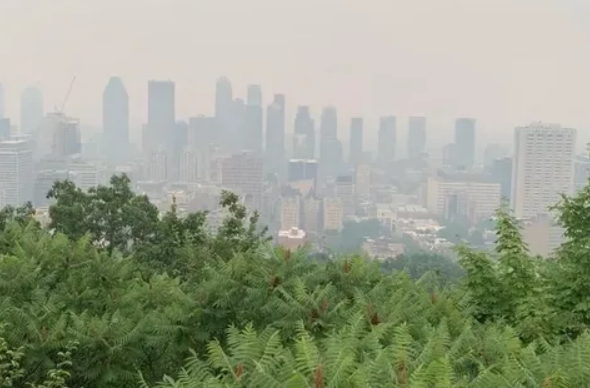
How Trees Combat Air Pollution Air pollution is a persistent problem in large urban areas, and New York City is no exception. With millions of vehicles on the roads, high levels of industrial activity, and a dense concentration of people, NYC’s air quality can often suffer. However, one natural solution to combating pollution is frequently overlooked—the presence of trees. Urban trees are essential in filtering pollutants, absorbing carbon dioxide, and cooling the environment. With initiatives like the Million Trees NYC program, the city is trying to reduce air pollution by expanding green spaces and increasing tree coverage. This article explores how trees help clean the air in NYC and the broader benefits they provide. Key Takeaways: Trees act as natural air filters: In addition to absorbing pollutants like ozone (O3), sulfur dioxide (SO2), and nitrogen oxides (NOx), trees also capture particulate matter (PM10 and PM2.5) in their leaves. This significantly improves air quality in densely populated urban environments like NYC. Cooling effects reduce energy use and emissions: Trees are beneficial because they cast shade on cities and reduce heat island effects. This leads to decreased energy consumption for air conditioning, thus indirectly reducing emissions and improving air quality. Long-term benefits beyond pollution reduction: Trees contribute to cleaner air and offer long-term environmental, health, and economic advantages. They enhance public health by lowering respiratory illness rates, increasing biodiversity, and even boosting property values in the city. The Air Pollution Problem in NYC New York City, one of the world’s largest metropolitan areas, faces significant challenges with air pollution. Due to the high population density, the sheer volume of vehicles, and continuous industrial and construction activities, NYC’s air quality has often been a cause for concern. This section will delve into the primary sources of air pollution, provide data on air quality over recent years, and discuss the impact of this pollution on public health and the environment. Primary Sources of Air Pollution in NYC Vehicle Emissions: Traffic congestion in NYC contributes heavily to air pollution, with cars, trucks, buses, and taxis emitting pollutants like nitrogen oxides (NOx), particulate matter (PM), and carbon monoxide (CO). Diesel-powered vehicles, in particular, are significant contributors to air pollution in the city. Industrial Activity: Despite being a heavily urbanized area, industrial activities in NYC—such as factories, power plants, and manufacturing centers—emit harmful pollutants. These industries release nitrogen dioxide (NO2), sulfur dioxide (SO2), and volatile organic compounds (VOCs) into the air. Construction Dust: Construction and demolition projects, constant in a growing city like New York, produce dust and particulate matter (PM10 and PM2.5). These fine particles are easily inhaled and can aggravate respiratory conditions. Statistics and Data on NYC’s Air Quality Over the years, air quality in New York City has improved due to stricter regulations and cleaner technologies. However, certain pollutants remain at levels that can affect public health. Below is a table summarizing the levels of key pollutants in NYC in recent years. Pollutant Annual Average Level (2018) Annual Average Level (2023) EPA Standard (for comparison) PM2.5 (µg/m³) 9.5 7.2 12 µg/m³ NO2 (ppb) 35.6 27.9 53 ppb Ozone (O3) (ppb) 61 58 70 ppb SO2 (ppb) 4.5 2.1 75 ppb Trends in Air Quality Particulate Matter (PM2.5): Fine particulate matter levels have decreased over time but remain a concern in high-traffic areas. Nitrogen Dioxide (NO2): Levels of NO2 have dropped due to cleaner vehicle emissions and regulations on industrial emissions. Ozone (O3): Ozone levels fluctuate but tend to be higher during summer due to the heat and sunlight reacting with pollutants. Sulfur Dioxide (SO2): SO2 levels have significantly decreased, primarily due to the switch from high-sulfur fuels to cleaner energy sources. Air Pollution’s Effects On The Environment And Public Health Public Health Impacts: Air pollution contributes to respiratory illnesses, including asthma, bronchitis, and other chronic lung diseases. Ground-level ozone (O3) and delicate particulate matter (PM2.5) harm susceptible groups, especially the elderly and people with underlying medical disorders. A 2019 study indicated that around 3,000 premature deaths per year in NYC are related to poor air quality, mainly due to PM2.5 exposure. Long-term exposure to pollutants like NO2 can lead to cardiovascular diseases and worsen preexisting health conditions. Environmental Impacts: Pollutants such as nitrogen oxides (NOx) form ground-level ozone, a key component of smog. This ozone harms plant life and reduces biodiversity in the city’s green spaces. Sulfur dioxide emissions (SO2) cause acid rain, which lowers the pH of water bodies and damages aquatic ecosystems. How Trees Reduce Air Pollution Trees are essential in mitigating air pollution in urban areas like New York City by serving as natural filters that capture and absorb various harmful pollutants. They contribute to improving air quality through several mechanisms, including absorbing gases, filtering particulate matter, and producing oxygen while reducing carbon dioxide (CO2). Additionally, trees help lower city temperatures, reducing pollution from energy consumption. This section outlines the specific ways trees help combat air pollution. Absorption of Pollutants Trees can uniquely absorb hazardous gases like ozone (O3), sulfur dioxide (SO2), and nitrogen oxides (NOx). These pollutants, often emitted from vehicles and industrial activities, contribute to smog formation and respiratory problems in humans. Trees absorb these gases through their leaves stomata (tiny pores on leaf surfaces), reducing their concentration in the air. Nitrogen Oxides (NOx): Trees absorb NOx, which is released from vehicle exhausts and industrial processes. This pollutant contributes to the formation of ground-level ozone and acid rain, both of which are harmful to human health and the environment. Sulfur Dioxide (SO2): Trees absorb SO2, a pollutant primarily emitted by industrial sources, mainly from burning fossil fuels. SO2 exposure can lead to respiratory illnesses and acid rain formation. Ozone (O3): Ground-level ozone is a significant component of smog. It forms when NOx and volatile organic compounds (VOCs) react in sunlight. Trees help mitigate ozone levels by absorbing precursors like NOx and releasing oxygen. Particulate Matter Filtration Particulate matter filtering is one of the main ways trees help purify the air. Delicate particulate matter, such as PM10 (particles smaller
New York City’s Urban Forestry
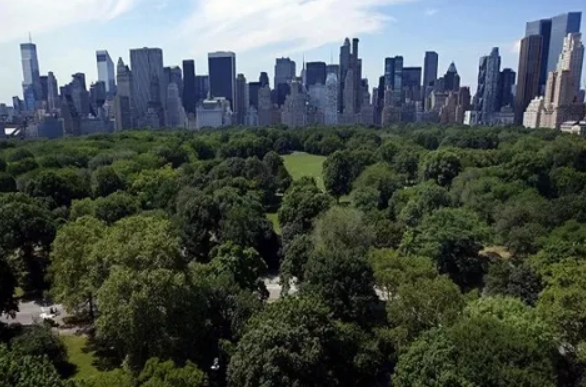
The maintenance and control of urban tree populations—essential to a city’s environment—is known as urban forestry. In a metropolis like New York City, urban trees enhance air quality, reduce the heat island effect, promote biodiversity, and provide various environmental, social, and economic benefits. However, with the increasing impacts of climate change, urbanization, and budget constraints, the future of urban forestry in New York City faces significant challenges. This article explores the current state of New York City’s urban forests, the hurdles they face, and the opportunities available to secure a greener future. Key Takeaways: Urban Forestry is Crucial for Environmental and Health Benefits: Trees in urban areas are more than just aesthetic additions—they are essential for maintaining ecological balance, improving air quality, and reducing heat in dense city spaces. Furthermore, urban forests offer significant social and health advantages, including better mental health, building community, and giving city people more access to green areas. Climate Change and Urbanization Present Major Challenges: The future of urban forestry in New York City is threatened by the escalating impacts of climate change, such as more frequent storms and rising temperatures. Furthermore, the limited space availability in the densely packed urban environment poses a significant challenge for expanding tree coverage. Technology and Community Engagement Offer Promising Solutions: With the advancement of technologies such as GIS mapping, drone monitoring, and data analytics, urban forestry management can become more efficient. Furthermore, maintaining the viability of New York City’s urban woods in the future would require involving the local community and establishing public-private partnerships. Importance of Urban Forestry Urban forestry is pivotal in enhancing the livability of cities like New York. Planting and keeping trees in urban areas can improve their aesthetic appeal and generate significant environmental, social, health, and economic advantages. These advantages underscore the need to prioritize urban forests, especially as cities grow and face increasing ecological challenges. Environmental Benefits Urban forests significantly contribute to improving environmental quality. One of the primary benefits is reducing air pollution. When dangerous pollutants like carbon dioxide (CO2), sulfur dioxide (SO2), and nitrogen dioxide (NO2) are absorbed by trees, the air is filtered and the quality of the air is generally improved. The health of inhabitants in a busy metropolis like New York City, where industrial and vehicular pollutants are constant, depends on trees’ ability to purify the air. Furthermore, urban trees help reduce the urban heat island effect, which results from infrastructure and human activity, raising temperatures in cities noticeably above those in nearby rural areas. Trees provide shade and release moisture through transpiration, which cools the air and reduces the overall temperature in cities. This cooling effect helps conserve energy by reducing the demand for air conditioning, especially during peak summer months. Consequently, well-maintained urban forests contribute to lowering energy consumption and help combat climate change by sequestering carbon. Social and Health Benefits Beyond the environmental advantages, urban forests are crucial in promoting mental and physical well-being. Trees and green spaces offer New Yorkers a refuge from the concrete jungle, providing relaxation, recreation, and exercise areas. Several studies have shown the positive effects of urban forests on mental health, including the reduction of stress, anxiety, and depression. Additionally, urban forestry promotes outdoor activity. Parks and tree-lined avenues offer possibilities for physical exercise, which is crucial for preserving good health, whether you choose to walk, jog, or participate in community events. Moreover, trees in urban settings enhance biodiversity by providing habitats for birds, insects, and small mammals, thus fostering ecological balance within the city. Economic Advantages Urban forestry brings various economic benefits, making cities greener and more financially sustainable. Trees raise property values by enhancing the beauty and desirability of neighborhoods. A tree-lined street or a nearby park can increase real estate prices, benefiting homeowners and local governments through higher property tax revenues. Urban forests also attract tourism. Tourists are drawn to cities with scenic parks, walking trails, and aesthetically pleasing landscapes like Central Park or the High Line in New York City. These attractions boost the local economy, providing business revenue and supporting jobs in the tourism and service industries. In addition, urban forests help reduce infrastructure costs. Trees act as natural stormwater management systems by absorbing rainfall, reducing runoff, and decreasing the burden on stormwater systems. Urban forestry can help cities save on long-term maintenance and repair costs by minimizing the need for expensive drainage infrastructure. Current State of New York City’s Urban Forest New York City’s urban forest, a vital part of the city’s infrastructure, includes a diverse range of tree species spread across parks, streets, and private properties. Over the years, various governmental efforts, public-private partnerships, and community-driven initiatives have worked to expand and maintain this green canopy. However, as the city continues to evolve, understanding the current state of its urban forest is essential for making informed decisions about future growth and sustainability. Tree Count and Coverage New York City boasts an extensive network of trees, with estimates suggesting the city is home to over 7 million trees. These trees are spread across parks, streets, and private properties, contributing to an overall urban tree canopy that covers around 22% of the city’s land area. While Central Park and other large parks contain some of the densest tree populations, significant tree-lined streets, green medians, and community gardens contribute to this greenery. Species diversity is a critical component of a resilient urban forest. New York City’s urban forest includes a wide variety of species, helping to protect against diseases and pests that may target specific types of trees. Some include: Tree Species Percentage of Total Trees London Planetree 15% Honeylocust 13% Callery Pear 9% Pin Oak 8% Ginkgo 6% American Elm 4% Governmental Efforts New York City’s Parks Department plays a central role in managing the urban forest, including the planting and maintaining of street trees, park trees, and natural forests within the city’s park system. One of the most ambitious efforts in recent years has been the MillionTreesNYC initiative, launched in 2007. This initiative,
Sycamores in NYC
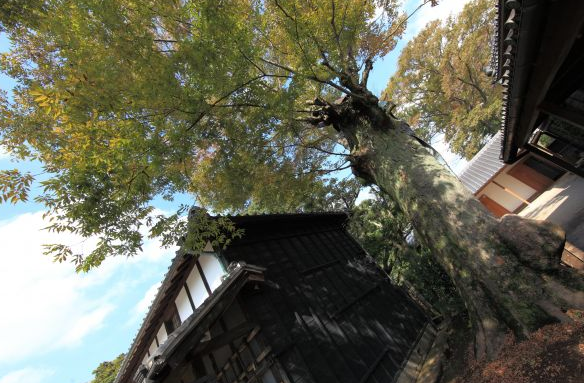
In a bustling city like New York, the value of green spaces cannot be overstated. With their towering canopies and robust structure, Sycamore trees significantly enhance urban environments. Known for their resilience, beauty, and longevity, these trees are aesthetically pleasing and provide essential environmental and social benefits to the city. From improving air quality to providing much-needed shade in public parks and streets, sycamores are a natural solution to some challenges urban landscapes face. Key Takeaways: Sycamore Trees Improve Air Quality and Reduce Flooding: Sycamore trees’ large root systems and ability to absorb pollutants make them instrumental in managing urban stormwater and enhancing air quality, two critical environmental issues in NYC. Aesthetic and Social Benefits Create Community Spaces: Sycamores contribute to the beauty of NYC’s streets and parks, creating inviting, shaded areas for people to gather and enjoy. This promotes social interaction and enhances the livability of neighborhoods. Sycamores Offer Long-term Economic and Environmental Sustainability: These low-maintenance trees are an intelligent investment for NYC’s future. They provide lasting benefits for decades, making them an economically viable choice for city planners looking to enhance urban green spaces. Overview of Sycamore Trees Native to North America, the American sycamore tree (Platanus occidentalis) is well-known for its eye-catching look and environmental adaptability. Owing to their adaptability, these trees are frequently found in urban and rural environments, making them a well-liked option for landscapers and city planners. Description of the American Sycamore Tree American sycamores are easily recognizable by their towering height, often reaching up to 100 feet, and their large, wide-spreading canopies that provide ample shade. One of the most distinctive features of the sycamore is its bark, which flakes off in patches, revealing a patchwork of green, white, and tan underneath. This unique appearance adds to the tree’s aesthetic appeal, especially in city environments where greenery is often lacking. Native to North America As a native species, the sycamore has flourished in various conditions, from riverbanks to city streets. This adaptability makes it a resilient option for urban settings like New York City, where environmental stressors such as pollution, limited soil space, and fluctuating temperatures can challenge less robust tree species. Characteristics: Fast-Growing, Large Canopy, and Resilience Fast-growing: Sycamore trees are known for their rapid growth, making them an excellent option for cities looking to establish green spaces quickly. They can grow as much as 6 feet per year, rapidly filling public spaces and providing shade. Large Canopy: The expansive canopy of the sycamore offers a significant amount of shade, which helps cool down city streets and parks and reduces urban heat islands. This makes them ideal for creating calm, shaded spaces for residents to enjoy during hot summers. Resilient to Pollution and Climate Variations: One key reason sycamores are frequently chosen for urban environments is their resilience. Sycamores can withstand the heavy air pollution and compacted soil typical in metropolitan areas like New York City. They are also hardy enough to withstand weather conditions, from chilly winters to hot, muggy summers, making them a dependable option for an enduring urban tree. Environmental Benefits of Planting Sycamores Sycamore trees offer a variety of environmental benefits that make them a valuable asset in urban spaces like New York City. Their natural ability to improve air quality, manage stormwater, relax urban environments, and support wildlife directly addresses the major ecological challenges cities face today. Air Quality Improvement One of sycamore trees’ most significant environmental benefits is their ability to improve air quality. In a bustling metropolis like NYC, pollution levels can be high due to vehicle emissions, industrial activities, and other urban pollutants. Sycamores contribute to cleaner air by absorbing large amounts of CO2 during photosynthesis and trapping particulate matter such as dust, soot, and other airborne particles on their leaves. This filtration process helps purify the air and reduces the risk of respiratory illnesses for city dwellers. Pollutant Sycamore’s Role CO2 (carbon dioxide) Absorbed through photosynthesis PM2.5 (particulate matter) Trapped on leaves, reducing airborne particles Stormwater Management Urban areas like NYC are prone to flooding due to the large number of impervious surfaces, such as concrete, which prevent water from being absorbed into the ground. Sycamore trees, with their extensive root systems, are a natural solution to this problem. By absorbing significant amounts of rainwater, they reduce the load on the city’s drainage systems and lower the amount of stormwater runoff, thereby playing a pivotal role in preventing urban flooding and ensuring the safety of residents. Benefit Sycamore’s Impact Reduced stormwater runoff Absorption through large root systems Pressure on NYC’s stormwater systems Eased due to natural water absorption Cooling Effects The urban heat island effect, in which temperatures in metropolitan regions are much higher than in nearby rural areas, is common in cities. The concentration of roads, buildings, and other heat-absorbing and radiating structures is to blame. With their large canopies, Sycamores provide substantial shade that helps calm streets, parks, and sidewalks. By reducing the need for air conditioning in nearby buildings, these trees also lower energy consumption and decrease greenhouse gas emissions. Heat Island Issue Sycamore’s Contribution Elevated urban temperatures Canopy provides shade, reducing heat. Energy consumption for cooling Lowered due to reduced need for air conditioning Wildlife Habitat Sycamore trees are beneficial to humans and provide critical support to urban biodiversity. Their giant branches, hollow trunks, and broad leaves are habitats for various species of birds, insects, and small animals. For example, birds use sycamore branches for nesting, and insects find refuge in the crevices of their bark. These trees also provide seed balls and food for birds and small mammals. By fostering this biodiversity, sycamores help maintain a balanced urban ecosystem, offering ecological and aesthetic benefits. Wildlife Supported Sycamore’s Role Birds Nesting sites, food from seeds Insects Shelter within bark crevices Small mammals Food source, habitat Aesthetic and Social Benefits Aesthetic Appeal Sycamore trees are renowned for their striking appearance, making them a valuable addition to the visual landscape of New York City’s parks, streets, and public spaces. Their
Sycamore Tree Emergency Services

Sycamore trees are majestic and often serve as beautiful centerpieces in landscapes, but they can also pose significant risks when affected by storms. With their large limbs and shallow roots, sycamore trees are particularly susceptible to storm damage, making it essential to know how to handle these emergencies. Whether it’s a fallen branch or a tree threatening your property, understanding the process of storm damage assessment and hazardous tree removal is critical. Moving swiftly and enlisting the help of professionals can safeguard your safety and prevent additional damage to your house. Key Takeaways: Safety First: Always prioritize safety by avoiding storm-damaged sycamore trees, especially near power lines or structures. Professional tree services should handle the removal to prevent accidents. Timely Action is Crucial: Sycamore trees injured by storms require prompt repair to prevent further damage to your property. Acting quickly ensures the tree doesn’t become a more significant hazard. Professional Arborists are Essential: Hazardous tree removal is complex and dangerous. Professional arborists have the equipment to assess and remove storm-damaged trees safely, ensuring the safety of your property and family. Understanding Sycamore Trees Characteristics of Sycamore Trees Sycamore trees (Platanus occidentalis) are known for their impressive size and broad canopies. They are a striking presence in any landscape with a canopy that may stretch up to 70 feet in width and up to 100 feet in height. Another distinctive feature is their bark, which peels off in patches to reveal a mottled, white, and gray trunk. While sycamores add beauty and shade, their size and fast growth can lead to several common issues, such as weak wood, heavy limbs, and disease susceptibility. Why Sycamores Are Prone to Storm Damage Large limbs: Sycamore tree’s thick, expansive branches can become heavy, especially when weighed down by rain or snow. During strong winds or storms, these limbs are prone to breaking. Shallow root systems: Sycamore trees often develop shallow root systems despite their height. These roots may not provide enough stability during storms, causing the tree to lean or uproot under high winds. Fast growth: While fast-growing trees like sycamores are desirable for providing quick shade, this rapid growth often results in weaker wood. Damage is more likely to occur during a storm when weak branches break more frequently. Common Types of Damage Sycamore Trees Sustain During Storms Broken limbs: Heavy branches can snap under the pressure of strong winds or ice accumulation, posing an immediate danger to nearby structures or vehicles. Cracked or split trunks: High winds can cause significant stress on the trunk, leading to cracks or splits and compromising the tree’s stability. Uprooting: Sycamores are more likely to be uprooted due to shallow roots, especially in saturated soils after heavy rains. Uprooted trees can fall on homes, roads, or power lines, creating hazardous conditions. Fallen debris: Smaller branches and twigs often litter the ground after a storm, adding to the cleanup effort and indicating potentially more significant issues with the tree’s health. Assessing Tree Damage After a Storm Signs of Storm Damage in Sycamore Trees After a storm, it’s essential to carefully assess any damage to sycamore trees to prevent further risks. Here are the key signs to look for: Cracked limbs: Look for branches that are split or hanging, as they pose an immediate risk of falling. Due to the size and weight of the branches, cracked limbs are hazardous in giant sycamores. Leaning trees: If a sycamore has shifted or begun leaning after a storm, it indicates that its root system may be compromised. Even slight leaning can lead to tree collapse, particularly during future storms. Exposed roots: A common issue with sycamore trees due to their shallow root systems, exposed or uplifted roots indicate that the tree’s foundation is weak. If roots are visible above the ground or dislodged, the tree is at a greater risk of falling. How to Determine if a Tree is a Hazard To assess whether your sycamore tree poses a significant risk after a storm, consider the following factors: Proximity to buildings: If the damaged tree is close to your home, garage, or any other structure, it’s a potential hazard. Falling branches or a collapsed tree can cause severe property damage. Proximity to power lines: Sycamore trees near power lines are hazardous. If any branches are leaning against or close to electrical lines, the situation requires immediate professional intervention due to the risk of electrocution or fire. Proximity to roads or pathways: A tree leaning toward a road or walkway can be hazardous to passing vehicles and pedestrians. Any tree that obstructs movement or threatens safety needs urgent attention. When to Call an Emergency Tree Service Versus Handling Minor Issues Yourself Call an emergency tree service if you notice large, cracked limbs, a leaning tree, exposed roots, or proximity to power lines. Any situation involving major damage or significant hazards requires professional intervention to remove the tree safely. Handle minor issues when dealing with small branches or fallen twigs. You can safely remove light debris and trim small, accessible branches, provided they do not pose an immediate danger. However, avoid attempting to remove larger branches or cut down trees without proper equipment and expertise. Steps to Take Immediately After a Storm Safety Precautions Stay away from fallen limbs: Fallen or hanging branches can still be dangerous and may continue to break or fall. Wait for an expert to evaluate the damage before approaching any damaged trees. Check for downed power lines: If any part of the tree touches or is near power lines, stay clear and contact your utility company immediately. Do not attempt to approach or handle the situation yourself. Documentation Photographing the damage for insurance purposes: Before any cleanup or removal, take clear, detailed photographs of the tree damage. Documenting the scene helps support any insurance claims you may need to file for storm-related property damage. Capture close-up shots of broken limbs, exposed roots, and damage to nearby structures. Temporary Solutions Bracing branches: For limbs that are not severely
How to Protect Trees from Spotted Lanternflies

Spotted lanternflies (SLF) are an invasive species that seriously threaten trees, plants, and agriculture. Originally from Asia, they have rapidly spread across various regions in the U.S., feeding on the sap of trees and damaging crops. These pests are hazardous because they damage various tree types, such as fruit trees, oaks, and maples, degrading their health and leaving them susceptible to other illnesses. Protecting trees from spotted lanternflies has become essential to prevent widespread damage to forests, orchards, and urban landscapes. Various control methods are available, ranging from physical barriers to chemical treatments. Key Takeaways: A Multi-Method Approach is Essential: No single method can fully protect trees from spotted lanternflies. The most effective protection combines tree banding, insecticide sprays, and egg mass removal. Early Detection and Consistent Monitoring are Key: Spotted lanternflies are more easily controlled in their early stages, especially as nymphs. Always check signs of infestation, such as egg masses or early-stage nymphs. Environmentally Safe Methods are Available: Eco-friendly solutions such as neem oil and biological controls exist for those concerned about environmental harm. These methods offer a safer alternative to chemical treatments while still being effective in reducing SLF populations. Tree Banding Tree banding is a popular method for controlling spotted lanternfly populations by trapping the nymphs as they crawl up tree trunks. Sticky bands are placed around the trunk of a tree, creating a physical barrier that captures nymphs on contact. These bands are particularly influential because nymphs must climb upward to reach the leaves, where they feed. How It Works: Sticky bands are wrapped around the trunk, creating a sticky surface that traps the nymphs as they move upwards in search of food. As nymphs crawl over the band, they become stuck, preventing them from reaching the canopy and continuing their life cycle. Materials to Use: Commercial sticky bands are designed explicitly for tree banding. DIY alternatives, such as double-sided tape or adhesive-coated paper, can be combined with plastic wrap. It’s essential to check the bands regularly, as they can become filled with insects or lose stickiness over time. How to Avoid Trapping Non-Target Species: Use mesh or wire guards around the sticky bands to prevent birds, squirrels, or other animals from accidentally getting stuck. Alternatively, sticky bands should be installed higher up the trunk, out of reach of small animals. Wildlife-friendly adhesive bands are also available to minimize harm to non-target species. Tree Wrapping Tree wrapping involves wrapping materials like burlap or fabric around the tree trunk. This method creates a protective layer that intercepts spotted lanternflies during migration, making it a simple yet effective tool for controlling SLF populations. How It Works: Burlap or fabric is wrapped tightly around the tree, usually in two layers, with the top layer left loose. As the nymphs or adult lanternflies migrate upward, they get trapped between the layers of fabric. Once trapped, they can be manually removed and destroyed. Benefits of Eco-Friendly and Reusable Options: Burlap is a natural and biodegradable material, making it an eco-friendly choice for tree protection. Fabric wraps can be reused multiple times throughout the season, reducing waste. Wrapping trees with these materials offers a chemical-free alternative, suitable for those concerned about the environment or for trees in areas with heavy wildlife activity. Insecticide Sprays Insecticide sprays are widely used to control spotted lanternfly populations by directly targeting tree pests. Two main types of insecticides are used: systemic and contact sprays. Type of Insecticide How It Works Best For Systemic It is absorbed into the tree’s tissues and affects SLF when they feed on the tree sap. Long-term protection, heavy infestations. Contact Sprays It kills SLF on contact but does not offer long-term protection. Immediate action for small, localized infestations. Safe Application Methods: Timing of Application: Insecticide sprays should be applied when spotted lanternflies are most active (typically late spring through fall). Avoiding Harm to Beneficial Insects: To protect bees, butterflies, and other pollinators, avoid applying sprays during blooming periods or in areas where beneficial insects are active. Opt for selective insecticides that target SLF while minimizing impact on non-target species. Weather Considerations: Apply sprays when calm, as the wind can carry the spray to unintended areas. Avoid spraying before rainfall to prevent runoff into water systems. Considerations for Specific Tree Species: Some tree species are more susceptible to insecticide damage. For example, fruit trees may need special care, as insecticides can affect fruit production. In such cases, using products labeled safe for fruit-bearing trees is essential. Systemic insecticides should not be used on trees that are near water sources, as they can leach into the soil and affect aquatic life. Insecticide Soil Treatment Soil treatments involve applying systemic insecticides to the tree’s base, which are absorbed through the roots and transported throughout the tree. This method provides long-term protection by killing spotted lanternflies as they feed on the tree’s sap. How It Works: When systemic insecticides are sprayed on the ground surrounding a tree, the roots absorb the poison. The insecticide moves through the tree’s vascular system, targeting SLF that feed on the tree sap. Pros Cons Long-lasting protection for several months. Potential for groundwater contamination. Targets SLF throughout their life cycle. Can harm beneficial soil organisms. Suitable for large trees and heavy infestations. It is expensive and may require professional application. Adequate for Larger Infestations: Soil treatments are particularly effective for trees experiencing a severe infestation of SLF. They provide consistent protection, as the insecticide is continuously present in the tree’s sap for an extended period. This method benefits large trees that are difficult to treat with sprays alone. Long-Term Protection but with Environmental Concerns: While soil treatments offer long-term protection, they raise concerns about environmental impact. Insecticides have the potential to seep into the groundwater and contaminate it, harming surrounding plants and animals. It’s essential to follow application guidelines carefully and avoid overuse, especially near sensitive ecosystems such as rivers, ponds, or areas with high wildlife activity. Environmental Considerations: Use soil treatments as a last resort when other
Emergency Trimming for Silver Maple Trees

The Silver maple tree, known for its rapid growth and beautiful broad leaves, is a popular choice for homeowners. However, its brittle wood and fast-growing limbs can pose significant safety risks, especially during severe weather conditions. Emergency trimming becomes essential when branches break, die, or pose immediate threats to property or people. Knowing when and how to address these situations ensures the tree’s health and the surroundings’ safety. Understanding the signs that a tree needs emergency attention can help prevent further damage and keep your property secure. Key Takeaways: Timely Emergency Trimming Ensures Safety: Broken or damaged branches from storms or decay can pose a severe risk to people, property, and power lines. Knowing the signs and acting quickly on emergency trimming can prevent accidents and further property damage. Proper Tools and Techniques Matter: Having the right tools and making clean cuts are essential for the health of the Silver maple tree. Using incorrect methods can cause long-term damage to the tree’s structure and growth potential. Regular Maintenance Prevents Emergencies: Routine pruning and care of your Silver maple tree can help avoid the need for emergency trimming. This improves the tree’s health and prevents hazardous situations, particularly during stormy seasons. Signs That Emergency Trimming is Needed Emergency trimming becomes crucial when a Silver maple tree exhibits sure signs that pose immediate risks to people and property. Recognizing these signs helps prevent accidents and keeps the tree healthy in the long run. Here are the key indicators: Broken or Hanging Branches After a Storm: After heavy storms or strong winds, branches can break or become partially detached, creating dangerous hanging limbs. These branches risk falling unexpectedly, which can cause injury or property damage. Inspecting your Silver maple after severe weather and removing any hazardous branches promptly is essential. Dead or Decaying Limbs Posing a Safety Risk: Dead or decaying branches are an eyesore and a significant safety concern. Decay weakens the branch structure, making it more likely to fall, especially under the weight of snow, ice, or high winds. Emergency trimming helps remove these limbs before they become a liability. Overgrown Branches Obstructing Structures or Power Lines: As silver maple trees grow, their branches can extend toward power lines or buildings. Overgrown branches can cause power outages or damage roofs, windows, or other structures if untrimmed. In such cases, emergency trimming is essential to protect your home and maintain public safety. Sudden Pest Infestations Causing Rapid Tree Damage: Pest infestations, such as borers or beetles, can rapidly damage silver maple trees. When branches show visible signs of infestation or decay, they may need to be trimmed to prevent further damage and stop the infestation from spreading. Tree Leaning or Showing Signs of Structural Weakness: A tree leaning or showing signs of structural weakness, such as large cracks or splits in the trunk, may require emergency trimming to reduce weight on vulnerable parts. This can prevent the entire tree from falling, particularly in high-risk weather conditions. Tools and Equipment for Trimming Essential Tools for Safe Emergency Trimming: Pruning saws: For cutting through larger, thick branches. Loppers: These long-handled cutting tools help reach medium-sized branches. Pole saws: Ideal for trimming higher branches without needing a ladder. Chainsaws: Used for quickly cutting through large branches or limbs (best left to professionals for large-scale work). Personal Protective Equipment (PPE): Gloves: To shield your hands from instruments or sharp branches. Safety goggles or glasses: Shield eyes from sawdust and falling debris. Helmets: In case of falling limbs, wearing a helmet can prevent serious head injuries. Use of Ropes and Ladders for High Branches When dealing with high branches, ropes can help control the fall of large limbs, reducing the risk of injury or property damage. Ladders should only be used with caution and proper stabilization. If branches are too high or risky, using a pole saw or hiring a professional is a better option. When to Consider Hiring a Professional Arborist Not all trimming tasks can or should be done by homeowners. If branches are close to power lines or buildings or are too large to handle safely, it’s best to call a professional arborist. They have the experience, tools, and knowledge to manage complex or high-risk jobs efficiently and safely. Step-by-Step Guide for Emergency Trimming When your Silver maple tree shows signs of needing emergency trimming, it’s essential to approach the task safely and effectively. This step-by-step guide ensures the tree is trimmed correctly while minimizing risks. Assess the Situation: Ensure Safety Before Approaching the Tree: The first step in any emergency trimming situation is to evaluate the tree and its surroundings. Ensure no imminent hazards like power lines or heavy branches are at risk of falling. Only proceed if the situation is manageable; call a professional if it seems too risky or complicated. Clear the Area: Make Sure No People or Pets Are in Harm’s Way: Before starting the trimming process, clear the area of any people, pets, or valuable objects. Falling branches can cause injury or damage, so creating a safe, open space around the tree is essential. Trim Broken or Dead Limbs First: Start with the Most Dangerous Branches: Trim the most dangerous branches, such as broken, hanging, or dead limbs. These pose the most immediate risk of falling and should be handled first. Start with the highest-risk limbs and work your way down to ensure people’s and property’s safety. Make Proper Cuts: Trim at the Collar to Avoid Damaging the Tree: When trimming, cut the branch collar, which is the swelling area where the branch joins the trunk. Cutting here helps the tree heal more quickly and reduces the risk of decay or disease. Avoid leaving stubs, which can harm the tree, or cutting too close, which can damage the trunk. Dispose of Debris Properly: Remove Cut Branches and Clean the Area: After trimming, gather and dispose of the cut branches and debris. Leaving the area cluttered can pose tripping hazards and block pathways. You can mulch smaller branches, but
Expert Silver Maple Emergency Tree Removal

Silver maple trees, known for their rapid growth and extensive root systems, can often present significant challenges, especially during emergencies. Their brittle wood makes them particularly vulnerable to storm damage, leading to dangerous situations where fallen branches or uprooted trees can threaten homes, power lines, and public safety. Expert tree removal services are essential in these critical moments to ensure a quick and safe resolution. Key Takeaways: Silver Maple Trees Pose Unique Risks in Emergencies: Due to their fast growth and brittle wood, silver maple trees are more likely to suffer damage during severe weather. Understanding these risks is critical to preventing severe property damage and ensuring quick action when emergencies arise. Importance of Professional Tree Removal: Certified arborists use specialized equipment and techniques to safely remove silver maple trees, minimizing risks to homes, power lines, and people. Speed and precision are crucial in mitigating further damage during emergency removals. Post-removal solutions Help Prevent Future Hazards: Stump grinding and replanting more resilient tree species after emergency removal can help prevent future issues. Expert services provide removal and long-term solutions to maintain property safety and aesthetics. Understanding the Need for Emergency Tree Removal Why Silver Maple Trees Are Common in Emergencies Fast-growing nature of silver maples Due to their speedy growth, silver maple trees are well-liked in many residential locations because they can quickly provide shade and have a pleasing appearance. However, their fast growth can also be problematic. As silver maples overgrow, their branches become large and heavy without developing the same strength and resilience as slower-growing species. This makes them more vulnerable to breaking during storms or under pressure. Brittle wood and susceptibility to storm damage One key reason silver maple trees often require emergency removal is the brittle nature of their wood. Unlike sturdier tree species, silver maple wood is fragile and prone to snapping under stress, particularly during high winds, heavy rainfall, or other severe weather events. This brittleness makes the trees frequently casual during storms, resulting in fallen limbs or entire trees needing immediate attention to prevent further damage. Root system vulnerabilities Silver maples also have relatively shallow root systems, which can weaken their stability, especially in wet or saturated soil. In times of heavy rain or flooding, these roots can become less secure, increasing the tree’s risk of falling. A weak root system and the top-heavy nature of fast-growing branches make silver maples particularly prone to toppling over during adverse conditions. Common Causes of Silver Maple Emergencies Severe weather: storms, lightning strikes, and high winds The most common cause of emergencies involving silver maples is severe weather. Storms, high winds, and lightning strikes can all significantly damage these trees. Their brittle branches will likely break off during such events, posing immediate risks to nearby structures and power lines. In some cases, entire trees may be uprooted, particularly if their shallow roots have been weakened by heavy rain or flooding. Root instability leading to tree falls Another frequent cause of silver maple emergencies is root instability. As these trees proliferate, their root systems often fail to anchor them properly, particularly in wet or loose soil conditions. When the ground becomes saturated after prolonged rainfall, the roots can lose their grip, leading to the entire tree falling. This can cause significant damage to properties, vehicles, and public infrastructure. Structural damage to homes or power lines When silver maple trees fall or lose large limbs, they threaten homes, power lines, and other structures. Falling branches can cause severe accidents and expensive repairs when they smash into cars, windows, and roofs. Additionally, fallen trees can bring down power lines, leading to outages and other electrical dangers that require urgent attention from emergency tree removal services. Safety Hazards Associated with Silver Maple Trees Potential Dangers in Emergency Situations Falling limbs and branches Due to their brittle wood, silver maple trees are particularly prone to shedding limbs and branches during storms or high winds. Falling limbs can happen suddenly, and depending on their size, they can cause severe injury to anyone nearby or significant property damage. The unpredictability of these incidents makes silver maples a hazard during emergencies, requiring swift action to prevent further risks. Damage to nearby structures In residential areas, silver maple trees often grow close to homes, garages, or other buildings. When a tree or large branch falls, the damage can range from broken windows and dented roofs to structural damage that compromises the integrity of the building. In some cases, branches that fall during a storm may also block driveways or streets, creating additional hazards and obstructions that require immediate removal. Risk to power lines and public utilities Silver maples are often planted near roads, and their wide-reaching branches can interfere with power lines. In emergencies, falling limbs or trees can reduce power lines, cutting electricity to homes and businesses. This poses a danger due to the loss of power and because downed lines can lead to fires or electrical hazards that may require emergency tree removal and utility repair teams to respond. Injuries caused by improper removal techniques If tree removal is attempted by someone without proper expertise or equipment, the risks increase dramatically. With their weak wood and heavy branches, silver maple trees require precise techniques to prevent limbs from falling unpredictably. Improper handling can lead to serious injury, such as falling branches or equipment malfunctions, so professional removal is always recommended. DIY tree removal can often worsen the situation, leading to more damage or personal injury. Health and Safety Protocols for Tree Removal Assessing the situation for risks Before beginning any tree removal process, conducting a thorough risk assessment is essential. Professionals will inspect the tree for unstable branches, root damage, and proximity to structures or power lines. This evaluation helps create a safe removal plan that minimizes hazards during the operation. Proper equipment and training Safe tree removal requires specialized equipment, such as chainsaws, cranes, and protective gear, to manage the complexities of large, brittle trees like silver maples. Trained professionals also
Safeguarding New York’s Urban Trees

New York City’s urban trees face unique challenges due to the fast-paced, high-density environment. These trees, which contribute to improved air quality, temperature regulation, and city aesthetics, are exposed to various stressors that can jeopardize their health. From air pollution and compacted soil to limited water access, recognizing the signs of tree stress early is essential for sustaining New York’s green spaces. This guide identifies these signs and provides insights into the main factors affecting tree health in urban areas and strategies to mitigate these stressors. Key Takeaways: Common Stress Factors in Urban Environments: Trees in New York’s urban environment are constantly battling air pollution, soil compaction, and insufficient water due to the abundance of impervious surfaces. The proximity to heavy foot traffic, vehicles, and construction adds further stress, often resulting in poor health or death if not addressed early. Visual and Environmental Signs of Tree Stress: Detecting stress early through signs like discolored leaves, peeling bark, dead branches, and compacted soil prevents further decline. These visual cues, poor soil conditions, and proximity to construction provide essential indicators of a tree’s health status in a busy urban setting. Preventative Measures and Recovery: Urban trees can recover from stress if the right actions are taken promptly. Effective strategies include watering schedules, aerating compacted soil, pruning damaged branches, and protecting tree trunks from physical damage. Community and city-wide initiatives, such as tree planting and maintenance programs, are crucial in reducing tree stress and ensuring the longevity of urban greenery. Common Causes of Tree Stress in Urban Environments Urban environments, like New York City, present unique challenges for trees not found in natural ecosystems. Several factors contribute to tree stress, and understanding these can help take preventative measures to protect urban greenery. Pollution Airborne Pollutants: City trees are exposed to pollutants from traffic, industry, and even nearby construction sites. Pollutants like sulfur dioxide, carbon monoxide, and nitrogen oxides can damage tree leaves, reducing their ability to photosynthesize effectively. Prolonged exposure can lead to long-term damage, such as leaf discoloration and premature leaf drop. Effects on Leaves and Bark: Pollutants can accumulate on leaf surfaces, obstructing the stomata (pores) trees use to breathe. Over time, pollutants may cause the bark to crack or peel, exposing trees to further damage from pests and diseases. Pollution Source Impact on Trees Vehicle Emissions Discoloration and premature leaf drop Industrial Pollutants Cracked bark, reduced photosynthesis Construction Dust Accumulation on leaf surfaces Soil Compaction Urban Soil Conditions: In densely populated cities, high pedestrian traffic, construction activities, and vehicle movement often compact the soil around tree roots. Compacted soil reduces the air and water that can penetrate the ground, limiting the oxygen supply to the roots, which is essential for root respiration and nutrient uptake. Effects on Root Systems: Soil compaction can lead to weak, shallow root systems, making trees more susceptible to tipping over or developing diseases. In extreme cases, compacted soil can suffocate the roots, causing tree death. Source of Compaction Effect on Roots Pedestrian Traffic Limits air and water flow to roots Construction Activities Weakens root structures, limits nutrient uptake Water Stress Limited Water Access: Urban trees often suffer from water stress due to the prevalence of concrete surfaces and drainage systems that prevent rainwater from seeping into the ground. Instead of being absorbed by the roots, water runs off into the streets or storm drains, depriving the trees of the needed moisture. Drought-Like Conditions: Inadequate watering further stresses trees during dry seasons or heat waves. The combination of insufficient rainfall, high concrete evaporation rates, and limited root expansion space can significantly affect tree health. Cause of Water Stress Impact on Tree Health Concrete Surfaces Limits water absorption by the roots Poor Drainage Causes drought-like conditions for trees Urban Heat Island Effect Increases water evaporation and dehydration Physical Damage Construction and Traffic: In urban environments, tree trunks and roots often face physical damage from vehicles, construction equipment, and foot traffic. Digging can severed roots, and trunks may be scraped or damaged by passing machinery. This damage weakens the tree’s structure and opens it up to infections from pests and diseases. Vandalism: Unfortunately, urban trees are also subject to vandalism, such as bark carving, branch breaking, or other intentional harm. This further contributes to their stress and limits their growth and recovery. Source of Physical Damage Effect on Tree Vehicle Impact Weakens trunk and branches Construction Machinery It cuts roots and exposes trees to infection. Vandalism It damages the bark and affects the tree’s healing process. Pests and Diseases Urban Pests: City trees are more vulnerable to pests due to the lack of biodiversity and natural predators. Trees can become infested by pests like aphids, gypsy moths, and emerald ash borer, which feed on the leaves, bark, or sap of the tree and weaken it. Diseases: Urban trees are also prone to diseases like Dutch Elm Disease, which spreads quickly in densely planted areas. Left untreated, they can cause tree dieback, reduced leaf production, and eventual death. Common Urban Pests Common Urban Tree Diseases Emerald Ash Borer Dutch Elm Disease Gypsy Moth Oak Wilt Aphids Powdery Mildew Visual Signs of Tree Stress In urban environments like New York City, early identification of tree stress is crucial to prevent further decline. Visual cues often serve as the first warning signs that a tree is struggling. Recognizing these signs allows for timely interventions, which can help save trees from irreversible damage. Discoloration of Leaves Yellowing Leaves: Yellowing leaves frequently indicate poor nutrition, especially in nitrogen or water. In urban settings, where water and nutrients are harder to come by, leaf discoloration is a common sign of stress. Other potential causes include soil pH imbalances or damage from pollution. Browning Leaves: Browning can indicate more severe issues, such as prolonged water stress, excessive exposure to salt (from winter de-icing), or disease. Depending on the severity of the problem, leaves may exhibit browning edges or complete browning. Leaf Color Change Potential Cause Yellowing Nutrient deficiency, lack of water Browning Water stress,
Best Native Trees for NYC Backyards

Planting native trees in your NYC backyard is an excellent way to beautify your space while supporting the local ecosystem. Native trees are specifically adapted to thrive in the climate and soil conditions of the area, making them a low-maintenance, sustainable choice for urban landscapes. They offer aesthetic appeal, provide habitat for local wildlife, and help combat pollution in city environments. Understanding the factors that go into selecting the right native tree for your backyard can make a big difference in the success of your landscaping efforts. Key Takeaways: Native Trees Are Low-Maintenance and Resilient: Native trees have evolved to thrive in New York’s specific climate and soil conditions, requiring less water, fertilizer, and overall maintenance. They are also more resistant to local pests and diseases, making them a durable option for city backyards. Supporting Local Wildlife and Biodiversity: Selecting native trees supports the environment’s health by providing vital food and cover for birds, pollinators, and other species. These trees also contribute to preserving biodiversity, which is crucial in urban environments like NYC. Enhancing Property Value and Urban Sustainability: Native trees not only improve the aesthetic value of your property but also provide practical benefits like shading, which reduces cooling costs. In addition, they improve air quality, reduce stormwater runoff, and make your backyard a more sustainable, eco-friendly space. Why Choose Native Trees for Your NYC Backyard? Adapted to Local Climate and Soil Conditions Native trees are inherently suited to the climate and soil conditions of New York City. Over time, they have evolved to survive in the region’s specific weather patterns, temperature fluctuations, and soil types. This means native trees are more resilient to local environmental stresses, such as extreme cold, heat, and occasional drought, which can be challenging for non-native species. By choosing native trees, you select plants well-equipped to thrive in your backyard without requiring constant adjustments or interventions. Less Maintenance Required Compared to Non-Native Species Planting native trees has several benefits, one of which is less upkeep. Since these trees are already adapted to the local environment, they require less watering, fertilization, and specialized care than non-native species, which may struggle in unfamiliar conditions. Native trees typically establish themselves faster and with fewer issues, allowing you to enjoy the benefits of a beautiful tree without the high maintenance demands. Better Resistance to Pests and Diseases Native trees have also developed natural defenses against local pests and diseases. Because they co-evolved with local insects, fungi, and wildlife, they are more resistant to common threats in the NYC area. This makes healthier trees less likely to succumb to infestations or diseases that could affect their longevity. In contrast, non-native species may require pesticides or other treatments to protect them from local threats. Promotes the Growth of Native Ecosystems and Supports Pollinators Planting native trees in your backyard supports the broader local ecosystem by providing essential food and habitat for native wildlife. Birds, bees, butterflies, and other pollinators rely on these trees for nourishment and shelter. By creating a native tree habitat, you help preserve the ecological balance and contribute to the conservation of these species. Native trees are essential for maintaining biodiversity and guaranteeing the survival of local species in metropolitan settings like New York City, where green spaces can be scarce. Factors to Consider When Selecting Native Trees When selecting the right native tree for your NYC backyard, it’s important to assess several key factors to ensure the tree will thrive in your space and meet your needs. Below are the primary considerations to guide your selection process. Space Constraints In NYC, backyards can often be small and constrained by surrounding buildings, fences, or other structures. When choosing a native tree, it’s crucial to consider its mature size and how it will fit within your space. Opt for trees that grow only a little for the available area or interfere with overhead power lines. Consider dwarf or small-to-medium-sized trees if space is limited. Tree Type Mature Height Mature Width Suitable for Small Spaces? Eastern Redbud 20-30 feet 25-35 feet Yes Serviceberry 15-25 feet 15-20 feet Yes Black Gum 30-50 feet 20-30 feet No Flowering Dogwood 20-30 feet 25-30 feet Yes Soil Type Different native trees thrive in various soil types. Before selecting a tree, it is essential to assess the soil in your backyard. Is it well-drained, sandy, or clay-based? Native trees have specific soil preferences, and matching them to the right conditions will significantly improve their health and growth. Well-Drained Soil: Trees like the Eastern Redbud and Serviceberry prefer well-drained soil and can suffer in soggy conditions. Clay Soil: If you have clay-heavy soil, the Black Gum is more tolerant of compacted and clay-based soils. Sandy Soil: Some trees, such as the American Hornbeam, can tolerate sandy, looser soil types, making them suitable for such conditions Tree Type Preferred Soil Type Eastern Redbud Well-drained Serviceberry Well-drained Black Gum Clay-based American Hornbeam Sandy or loamy soil Sunlight Requirements The amount of sunlight your backyard receives will influence which native trees you should choose. Some trees require full sun, while others thrive in partial or complete shade. Understanding the light exposure in your yard will ensure that the tree you select will grow healthy and strong. Full Sun: Trees like Serviceberry thrive in full sun (6+ hours of direct sunlight daily). Partial Shade: Eastern Redbud prefers partial shade, meaning 3-6 hours of sun daily. Full Shade: American Hornbeam can tolerate more shaded areas and may suit backyards with limited direct sunlight. Tree Type Sunlight Requirement Eastern Redbud Partial Shade Serviceberry Full Sun Black Gum Full Sun to Partial Shade American Hornbeam Full Shade Growth Rate and Mature Size It’s essential to consider the growth rate and mature size of the tree you’re planting. Fast-growing trees can quickly fill in gaps and provide shade, but they may require more maintenance and could outgrow your space. Slower-growing trees will take longer to reach maturity but may have a more manageable size over the long term. Evaluate the immediate and
Fast-Growing Trees in NYC Parks
Urban environments like New York City face increasing pressure to expand green spaces while keeping up with population growth and environmental demands. Fast-growing trees present a solution, allowing parks to quickly provide shade, reduce air pollution, and create vibrant neighborhood green areas. However, while these trees deliver short-term benefits, they can also bring challenges in terms of sustainability, long-term health, and biodiversity. NYC park planners must carefully balance the need for rapid growth with thoughtful, sustainable urban forestry practices to ensure the future health of these spaces. Key Takeaways: Fast-Growing Trees Offer Immediate Benefits: Fast-growing trees can quickly transform parks by providing shade, improving air quality, and offering habitats for wildlife. Their rapid growth helps meet the urgent need for green spaces in densely populated areas, making them a valuable asset in urban landscapes. Sustainability Concerns with Fast-Growing Species: While fast-growing trees deliver short-term advantages, they often have drawbacks, such as weaker wood and a shorter lifespan. These plants might be more vulnerable to environmental stressors and disease, which could lead to increased maintenance expenses and a need for regular replanting. Balancing Fast and Slow-Growing Species for Long-Term Success: To ensure NYC parks thrive in the long run, it is essential to integrate fast-growing trees with resilient, slower-growing species. This approach creates a more diverse ecosystem, promotes biodiversity, and enhances urban forests’ sustainability and health. The Need for Fast-Growing Trees in NYC Parks Overview of New York City’s Green Initiatives New York City has long been at the forefront of green initiatives to combat climate change, improve air quality, and enhance public health. Programs like MillionTreesNYC have aimed to plant one million new trees across the five boroughs, providing essential environmental and social benefits. These initiatives reflect the city’s commitment to expanding its green spaces, particularly in urban neighborhoods that may be underserved in natural landscapes. Fast-growing trees are pivotal in accelerating these efforts, helping meet immediate environmental needs. The Demand for Green Spaces in Densely Populated Areas New York City, one of the most densely populated cities in the world, experiences constant pressure to provide adequate green spaces for its residents. Urban parks, community gardens, and tree-lined streets serve as vital oases where people can find respite from the hustle and bustle of city life. Green spaces are often limited in crowded urban neighborhoods, making it crucial to optimize available areas quickly. Fast-growing trees provide an efficient solution, offering shade, improving aesthetics, and enhancing community well-being in a relatively short period. Quick Solutions to Provide Shade, Improve Air Quality, and Enhance Urban Landscapes Fast-growing trees are an ideal solution for NYC’s green space needs. They can quickly create lush canopies that offer shade to pedestrians and park visitors, reducing the urban heat island effect. Furthermore, by releasing oxygen into the atmosphere and absorbing pollutants like carbon dioxide, these trees aid air filtration and greatly enhance air quality. Their rapid establishment also enhances the visual appeal of neighborhoods, making them more inviting and boosting property values in surrounding areas. Examples of Fast-Growing Trees Suitable for NYC’s Climate American Elm: Once devastated by Dutch elm disease, the American Elm returns with disease-resistant varieties. It multiplies and can form a large, shady canopy, ideal for urban streetscapes and parks. Hybrid Poplar: It is well-known for its incredible pace of growth and can mature in a few years. Because of its versatility, it’s an excellent option for places that require quick replanting. Silver Maple: This tree is commonly planted in urban environments because of its fast growth and tolerance to pollution. However, its shallow root system requires careful management to avoid infrastructure damage. London Plane Tree: A popular choice for NYC parks, this hybrid of the American sycamore and the oriental plane tree is fast-growing and highly resilient to urban conditions, including pollution and poor soil quality. Benefits of Fast-Growing Trees Speed of Establishment and Canopy Cover in Urban Parks Fast-growing trees have the advantage of quickly establishing themselves in urban landscapes. Within a few years, they can form a dense canopy that transforms the environment, making parks more inviting and functional. This speed of establishment is essential in areas that need immediate green cover to counteract the effects of urbanization. Fast-growing trees beautify parks faster and provide crucial services, such as noise reduction and visual barriers, much sooner than slower-growing species. Quick Shade Provision for Park Visitors and City Dwellers One of the most immediate and noticeable benefits of fast-growing trees is the shade they provide. In New York, where buildings and concrete contribute to the urban heat island effect, shade becomes invaluable. Fast-growing species can quickly create cool areas in parks and along streets, offering much-needed relief to residents and visitors during hot summer months. This quick provision of shade improves the usability of public spaces, encouraging outdoor activities and community engagement. Enhancement of Air Quality by Capturing Carbon Emissions More Rapidly Because they can absorb carbon dioxide and other pollutants, fast-growing trees are vital in enhancing air quality in urban areas. Their ability to increase means they capture carbon emissions faster, helping to mitigate the effects of air pollution in crowded cities like New York. In addition to reducing carbon dioxide, trees help filter particulate matter from the air, contributing to cleaner, healthier environments for urban populations. Creation of Habitats for Urban Wildlife, Improving Biodiversity While fast-growing trees provide immediate benefits for humans, they also support urban wildlife by creating habitats. Birds, squirrels, and other small animals often find refuge in the branches of these trees, and as the canopy grows, more species can benefit. This boost in biodiversity is critical for creating healthier urban ecosystems. Fast-growing trees can help fill the ecological gap in areas where natural habitats are scarce, supporting a variety of species that might otherwise struggle to survive in an urban setting. Sustainability Concerns Longevity of Fast-Growing Trees Compared to Slower-Growing Species One of the primary concerns with fast-growing trees is their shorter lifespan compared to slower-growing species. Even though they immediately have advantages, their