
All About Wood Chips: Benefits, Uses, and Best Practices
Few resources hold as much promise and versatility as wood chips in the realm of renewable living and eco-friendly practices. From enhancing soil health to fueling backyard barbecues, the applications of wood chips are as diverse as they are impactful. In this comprehensive guide, we delve deep into the world of wood chips, exploring their myriad benefits, practical uses, and best practices for harnessing their full potential. With a focus on simplicity and accessibility, we embark on a journey through the wonders of wood chips, steering clear of complex jargon and opting instead for clear, straightforward explanations. Whether you’re a seasoned gardener, a culinary enthusiast, or simply someone curious about sustainable living, this guide is designed to provide you with the knowledge and tools needed to make the most of this natural resource. Let us navigate the rich landscape of wood chips, uncovering their hidden benefits, innovative uses, and time-tested techniques for incorporating them into your daily life. From enriching garden soil to adding flavor to your outdoor cooking adventures, wood chips offer a world of possibilities to explore. So, let’s embark on this journey together, as we discover the many wonders of wood chips and unlock their true potential. Exploring the Versatility of Wood Chips: A Comprehensive Overview Wood chips, once considered mere byproducts of forestry and woodworking, have emerged as valuable resources with a wide array of benefits and uses. In this comprehensive overview, we’ll delve into the multifaceted world of wood chips, exploring their diverse applications and the myriad advantages they offer. Soil Enrichment: One of the main benefits of wood chips lies in their ability to improve soil health. When used as mulch, wood chips help retain moisture or humidity, suppress weeds, and control soil temp, creating an ideal environment for plant growth. Additionally, as wood chips decompose, they release nutrients into the soil, enhancing its fertility and promoting robust plant growth. Erosion Control: Wood chips play a crucial role in preventing soil erosion, particularly on slopes and in areas prone to runoff. By creating a protective coat over the soil surface, wood chips help mitigate the impact of rainwater and wind, reducing erosion and preserving soil structure. Carbon Sequestration: As organic matter, wood chips are rich in carbon. When incorporated into the soil or used for composting, wood chips contribute to carbon sequestration, helping mitigate climate change by eliminating carbon dioxide on the atmosphere and putting it in the soil. Landscaping: Wood chips are widely used in landscaping projects for their aesthetic appeal and practical benefits. Whether used as pathways, garden borders, or decorative mulch around trees and shrubs, wood chips add texture and aesthetic appeal to outdoor spaces while also providing valuable moisture retention and weed suppression benefits. Composting: Wood chips are an excellent addition to compost piles, helping balance carbon-to-nitrogen ratios and improve airflow within the compost heap. As wood chips decompose, they break down into rich organic matter, enriching the compost and providing essential nutrients for plant growth. Livestock Bedding: In agricultural settings, wood chips are often used as bedding material for livestock such as poultry, cattle, and horses. Wood chips provide a comfortable and absorbent bedding surface, helping maintain cleanliness and hygiene in animal housing facilities. Smoking and Grilling: Wood chips are a staple in outdoor cooking, prized for their ability to impart rich, smoky flavors to meats, vegetables, and other foods. Whether used in a smoker, grill, or barbecue pit, wood chips add an extra dimension of flavor to culinary creations, making them a favorite among grillmasters and home chefs alike. In the following sections, we’ll explore each of these uses in more detail, offering practical tips and best practices for incorporating wood chips into various aspects of your life. From gardening to cooking to environmental stewardship, the potential of wood chips knows no bounds, making them a valuable resource for sustainable living and resource conservation. Features Comparison: When it comes to choosing the right type of wood chips for your specific needs, understanding the features and characteristics of each option is essential. In this section, we’ll compare various types of wood chips based on key factors such as size, moisture content, decomposition rate, and suitability for different applications. Features Hardwood Chips Softwood Chips Mixed Wood Chips Wood Type Derived from hardwood trees like maple, hickory and oak. Derived from softwood trees such as pine, cedar, and spruce. Combination of hardwood and softwood trees. Size Typically larger in size, varying from 1 to 3 inches in diameter. Smaller in size, ranging from 0.5 to 1.5 inches in diameter. Varies in size, depending on the specific wood types included. Moisture Content Lower moisture content, resulting in slower decomposition. Higher moisture content, leading to faster decomposition. Intermediate moisture content, offering a balance between hardwood and softwood characteristics. Decomposition Rate Slower decomposition rate, providing longer-lasting mulch and soil improvement benefits. Faster decomposition rate, suitable for quick nutrient release and composting. Moderate decomposition rate, offering a balance between longevity and nutrient availability. Suitability for Mulching Excellent for long-term mulching in gardens and landscaping. Ideal for rapid mulching and composting applications. Versatile option suitable for a range of mulching needs. Flavor Profile Imparts a rich, smoky flavor, making it ideal for smoking and grilling meats. Offers a milder flavor compared to hardwood, suitable for a variety of cooking styles. Combines the flavors of both hardwood and softwood, providing a unique culinary experience. Hardwood Chips: Derived from hardwood trees such as oak, maple, and hickory, hardwood chips are known for their durability and longevity. Due to their lower moisture content, hardwood chips decompose at a slower rate, making them ideal for long-term mulching in gardens and landscaping projects. They also impart a rich, smoky flavor when used for smoking and grilling meats, enhancing the culinary experience. Softwood Chips: Softwood chips, derived from trees such as pine, cedar, and spruce, are characterized by their smaller size and higher moisture content. These chips decompose more quickly than hardwood chips, making them suitable for rapid mulching and composting
Mulberry Tree: Why They Need Service & Removal
The Mulberry tree, with its abundant, delicious berries, is a tempting addition to any landscape. However, the allure of sweet summer treats comes with some noteworthy drawbacks, especially for homeowners. Mulberry Mayhem: Branch Splitting and Falling Berries Weak Wood: Mulberry trees are notorious for their relatively weak wood, which is prone to splitting and breakage, especially under the weight of heavy fruit or during storms. This can lead to hazardous situations and unsightly damage to your property. Messy Berries: While the berries are a delightful snack for humans and wildlife alike, their abundance can become a nuisance. Falling berries stain sidewalks, driveways, and cars, creating a slippery mess when crushed underfoot. This can be particularly frustrating for homeowners with pools or outdoor entertainment areas. NYC Tree Pro: Your Solution for Mulberry Tree Management At NYC Tree Pro, we understand the unique challenges of managing Mulberry trees in urban environments. Our team of experienced arborists specializes in mitigating the problems associated with these trees while preserving their beauty and benefits. How We Can Help with Your Mulberry Tree: Expert Pruning: We utilize precise pruning techniques to strengthen the tree’s structure, reduce the risk of branch splitting, and promote healthy growth. Fruit Reduction Pruning: We can selectively thin out the fruit load to minimize the mess and potential damage caused by falling berries. Regular Maintenance: We offer ongoing care to monitor your Mulberry tree’s health, address any emerging issues, and prevent future problems. Safe Removal: If your Mulberry tree becomes too problematic, we can safely remove it and help you explore alternative options that suit your needs better. Don’t let the challenges of Mulberry trees overshadow their benefits. With NYC Tree Pro’s expert care, you can enjoy delicious fruit and shade without the headache of falling branches and messy berries. Contact us today to discuss your Mulberry tree needs and discover how we can help you maintain a beautiful, safe, and enjoyable landscape.
Healthy Honey Locust Trees in the City
Welcome to a journey through the enchanting world of the Honey Locust tree, a botanical marvel that graces landscapes with its elegant presence and remarkable attributes. Originating from the heartlands of North America, the Honey Locust, scientifically known as Gleditsia triacanthos, has emerged as a cherished emblem of resilience, adaptability, and natural beauty. Delicate Foliage and Graceful Silhouette: At the heart of the Honey Locust’s allure lies its foliage, characterized by intricately divided leaves reminiscent of delicate ferns. These lacy green fronds dance gracefully in the breeze, casting dappled shadows below and infusing the landscape with an ethereal charm. As the seasons unfold, the Honey Locust undergoes a mesmerizing transformation, adorning itself in a vibrant cloak of golden-yellow hues during the autumn months, painting the scenery with strokes of warmth and vibrancy. A Tree of Dualities: Thorn and Thornless Varieties: One of the distinguishing features of the Honey Locust is its intriguing duality, embodied in both thorn-bearing and thornless varieties. While some cultivars proudly display formidable thorns along their branches, adding a rugged allure to their appearance, others exude a serene elegance, devoid of any prickly adornments. This inherent versatility allows gardeners and landscapers to tailor their selection to suit the specific aesthetic and practical requirements of their outdoor spaces. Pods: Nature’s Ornamental Treasure: In late summer or early fall, the Honey Locust tree bestows upon the world its distinctive fruit – elongated, twisted pods that dangle delicately from the branches like verdant jewels. These pods, often adorned with a subtle blush of red or purple, serve as a testament to nature’s artistry, adding a whimsical charm to the tree’s overall allure. Beyond their ornamental value, the pods also serve as a source of nourishment for wildlife, attracting birds and small mammals with their nutritious seeds. Adaptability and Resilience: In an ever-changing world, the Honey Locust stands as a beacon of adaptability and resilience, capable of thriving in diverse environments and challenging conditions. From bustling urban streets to serene suburban neighborhoods, this tenacious tree effortlessly integrates into its surroundings, purifying the air, providing shade, and enriching the landscape with its presence. With a remarkable tolerance for pollution, drought, and compacted soils, the Honey Locust epitomizes nature’s ability to endure and flourish amidst adversity. Key Features: Appearance: The Honey Locust tree boasts delicate, fern-like leaves that turn a brilliant golden-yellow in the fall, creating a stunning display of color. Thorns: Some varieties of the Honey Locust tree feature thorns along their branches, adding a unique architectural element to its silhouette. Pods: Female Honey Locust trees produce long, twisted pods in the late summer or fall, which can add visual interest to the tree. Size: Depending on the variety, Honey Locust trees can range from medium-sized to large, making them suitable for a wide range of landscapes. Adaptability: Known for its resilience, the Honey Locust tree can thrive in both urban and rural environments, tolerating pollution and drought conditions with ease. Comparison of Features: Feature Honey Locust Tree Other Tree Species Appearance Delicate foliage Varies Thorns Present in some Absent Pod Production Yes Varies Size Medium to large Varies Adaptability High Varies Factors to Consider: When considering planting a Honey Locust tree, several key factors warrant careful consideration to guarantee its successful establishment and long-term health. Here are essential factors to ponder before embarking on your Honey Locust tree journey: Available Space: Assess the available space in your landscape to determine the ideal location for planting your Honey Locust tree. Consider factors such as proximity to buildings, power lines, and other structures to avoid problems as the tree matures. Soil Type and Quality: Honey Locust trees are known for their versatility to various soil types, including clay, loam, and sandy soils. However, they thrive best in well-drained soil with good fertility. Perform a soil test to verify the pH level and nutrient of the soil, and change it if necessary to build optimal growing conditions for your tree. Sunlight Exposure: Evaluate the sunlight exposure in the proposed planting site to ensure it meets the requirements of your Honey Locust tree variety. Most Honey Locust trees prefer full sun to partial shade, although some cultivars may tolerate shade to varying degrees. Ensure adequate sunlight reaches the tree canopy to promote healthy growth and foliage development. Climate Conditions: Consider the climate conditions in your region, including temperature extremes, rainfall patterns, and frost dates. While Honey Locust trees are generally hardy and resilient, they may exhibit stress symptoms if subjected to prolonged periods of drought, extreme heat, or cold. Choose a variety that is well-suited to your local climate to minimize potential risks. Water Availability: Assess the availability of water in your landscape, especially during the tree’s establishment phase and periods of drought. Newly planted Honey Locust trees require regular watering to support root development and mitigate transplant shock. Consider installing a drip irrigation system or providing supplemental watering as needed to ensure adequate moisture levels in the soil. Maintenance Requirements: Consider the ongoing maintenance requirements of Honey Locust trees, including pruning, fertilizing, and pest management. Regular pruning helps maintain the tree’s shape, eliminate dead or diseased branches, and provide air circulation within the canopy. Fertilize the tree annually with a balanced fertilizer to replenish soil nutrients and support healthy growth. Check regularly the tree for signs of pest infestation or disease and take right measures to address any issues promptly. Aesthetic Considerations: Take into account the aesthetic qualities of the Honey Locust tree, including its foliage color, texture, and overall appearance. Choose a variety that complements your landscape design and improves the visual appeal of your outdoor space. Consider the tree’s seasonal changes, such as fall foliage color and pod production, to maximize its ornamental value throughout the year. By carefully considering these factors and planning accordingly, you can guarantee the successful establishment and thriving growth of your Honey Locust tree for years to come. Cost Comparison: When contemplating the purchase of a Honey Locust tree compared to other species, it’s imperative
Combatting The Spotted Lanternfly In Harlem & Manhattan
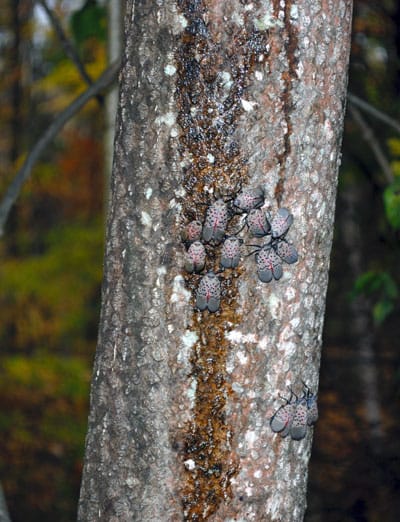
NYC residents, if you care about the health of our urban trees, it’s time to be vigilant against a destructive duo: the invasive Ailanthus tree (aka Tree of Heaven) and the notorious Spotted Lanternfly. Here’s what these invaders mean for Harlem and New York City and what you can do to protect your trees. Ailanthus: The Invasive Tree Taking Over The Ailanthus tree may have a pleasant-sounding name, but don’t be fooled, it’s an invasive species and considered a weed. Here’s why it’s a significant problem: Spotting the Spotted Lanternfly This invasive insect from Asia seriously threatens trees and crops across the region. Learn to identify them to stop them in their tracks: The Threat to NYC What You Can Do to Fight Back Against the Spotted Lantern Fly NYC Tree Pro: Your Ally in the Fight At NYC Tree Pro, we’re committed to protecting Harlem’s trees (and trees across our city) from these damaging invaders. Don’t let Ailanthus and Spotted Lanternflies take over – contact us today for a consultation.
Tree Pruning and Trimming in NYC: Expert Tips and Techniques
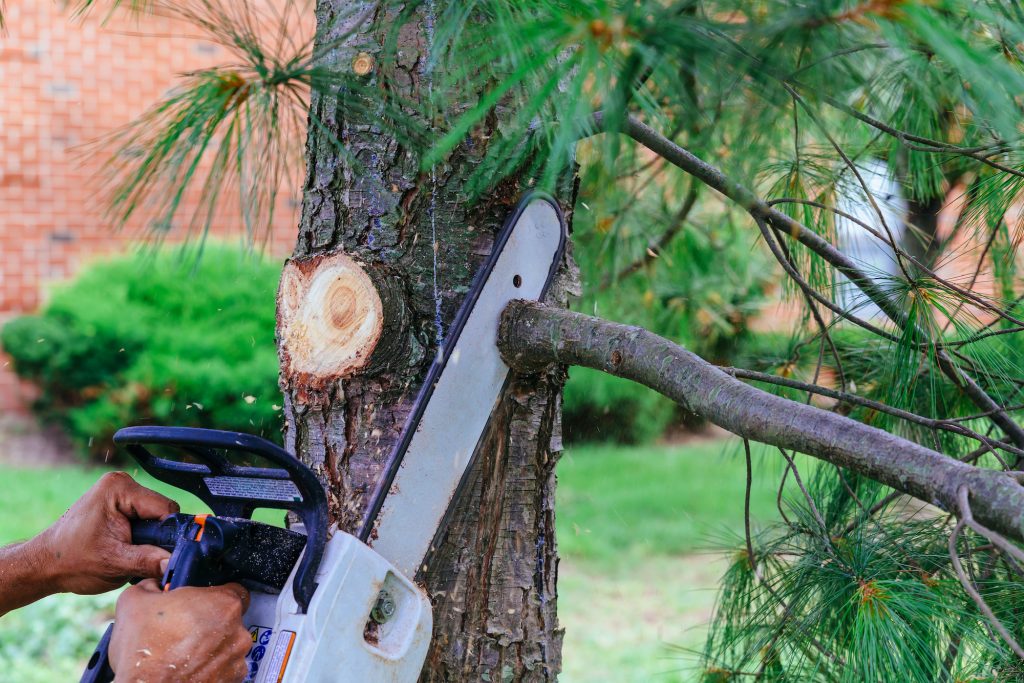
In a bustling urban environment like New York City, where space is limited and greenery is cherished, proper tree care becomes even more critical. Whether you’re a homeowner looking to enhance your property or a business aiming to maintain a polished exterior, understanding the nuances of tree trimming and pruning can make a significant difference. This guide will delve into various pruning methods, highlight their importance, and explain when it’s best to call in the professionals, like NYC Tree Pro. Understanding Tree Trimming and Pruning Tree trimming and tree pruning might seem interchangeable, but they serve different purposes. Tree trimming in NYC typically involves cutting back overgrown branches to ensure the tree maintains a desired shape and size, which is crucial in the confined spaces of urban areas. On the other hand, tree pruning focuses on removing dead, diseased, or damaged branches to promote tree health and safety. Types of Pruning Methods Crown Thinning: This method involves removing branches to increase light penetration and help air circulation within the tree canopy. It’s particularly beneficial for mature trees that might be prone to wind damage. Crown Raising: This technique removes the lower branches of a tree to clear space for pedestrians, vehicles, or buildings. Crown raising is common in NYC, where trees often grow near sidewalks and streets. Crown Reduction: Ideal for controlling the size of a tree, crown reduction involves cutting back branches to reduce the overall height and spread. This method is often used when trees grow too close to buildings or power lines. Deadwooding: This process entails removing dead, dying, or diseased branches to prevent decay and promote the tree’s overall health. Deadwooding is crucial for safety, as dead branches fall which can cause damage or hurt someone. Formative Pruning: Essential for young trees, formative pruning shapes the tree as it grows, ensuring a strong structure and preventing future issues. Importance of Tree Pruning and Trimming in NYC Proper tree care is vital for several reasons: Health: Regular pruning removes diseased or infested branches, preventing the spread of pests and diseases. Safety: Trimming trees reduces the risk of branches falling and causing injury or property damage, a crucial consideration in densely populated areas like Manhattan. Aesthetics: Well-maintained trees look better, and can increase your property value. Growth: Pruning promotes healthy growth by allowing light and air to reach all parts of the tree, ensuring it thrives in its urban setting. When to Call in Tree Service Professionals While DIY tree care can save money, certain situations warrant the expertise of professional arborists like those at NYC Tree Pro: High Branches: If the branches that need pruning are too high, attempting to trim them yourself can be dangerous. Professionals have the equipment and skills to handle such tasks safely. Complex Pruning: Different trees require different pruning techniques. Professionals can identify the best methods for each type of tree and shrub, ensuring optimal health and growth. Safety Concerns: If a tree is near power lines, buildings, or other structures, professional help is essential to avoid accidents and damage. Cameron Schilp, a satisfied NYC Tree Pro client in Manhattan, shares, “These guys did a great job on my trees behind my building in NYC. I would gladly recommend them .” As certified arborists NYC Tree Pro is also licensed and expert at tree removal. Melanie Martinez in the Bronx notes, “Needed a tree removed from my backyard in the BX. Quick job and they were very professional. Very satisfied with the work.” Conclusion NYC Tree Pro is dedicated to providing the highest level of tree care services, ensuring your trees are healthy, safe, and beautiful. Contact us today to learn more about how we can help with your tree trimming and pruning needs in Manhattan and beyond.